Build a Healthy Plate Instead: Report Lists Six Foods That May Increase Cancer Risk
10/09/2026 / By Zoey Sky
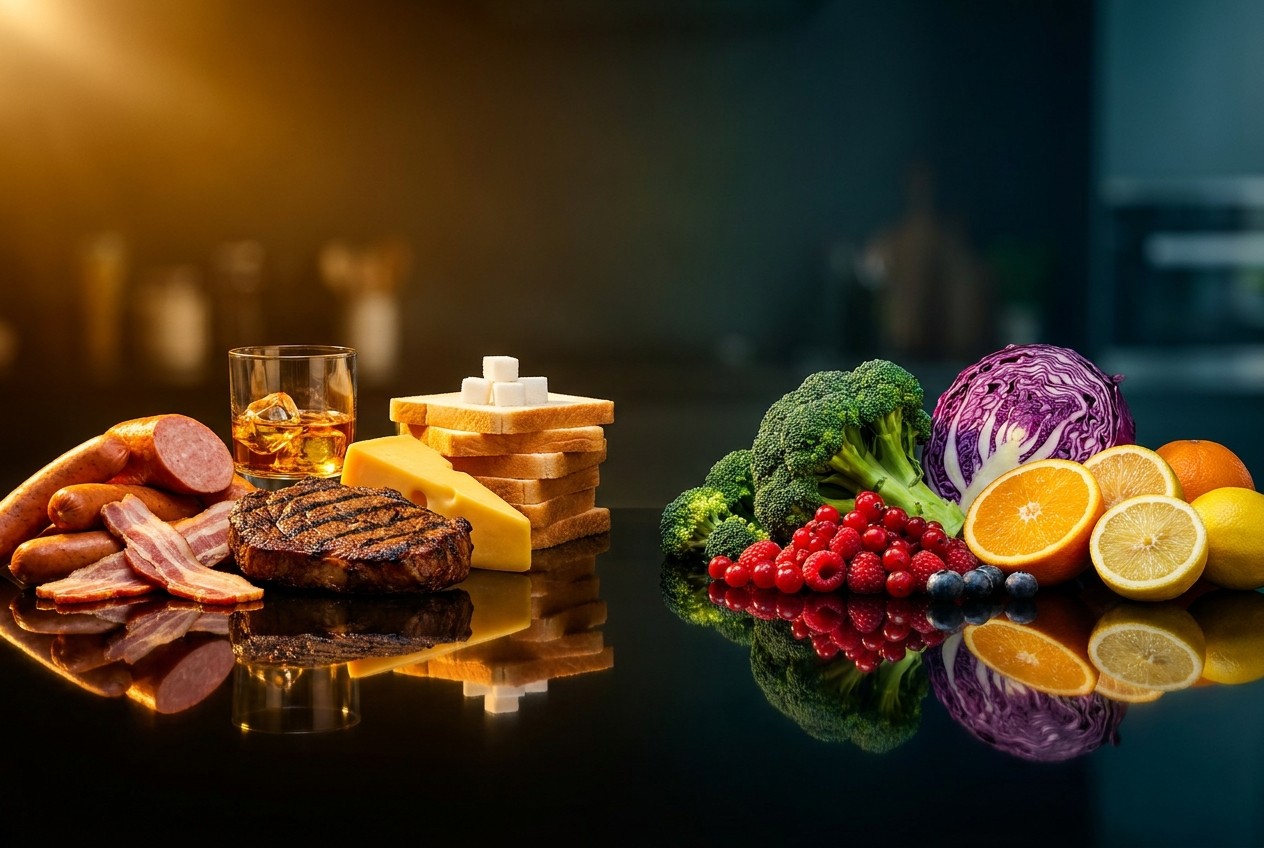
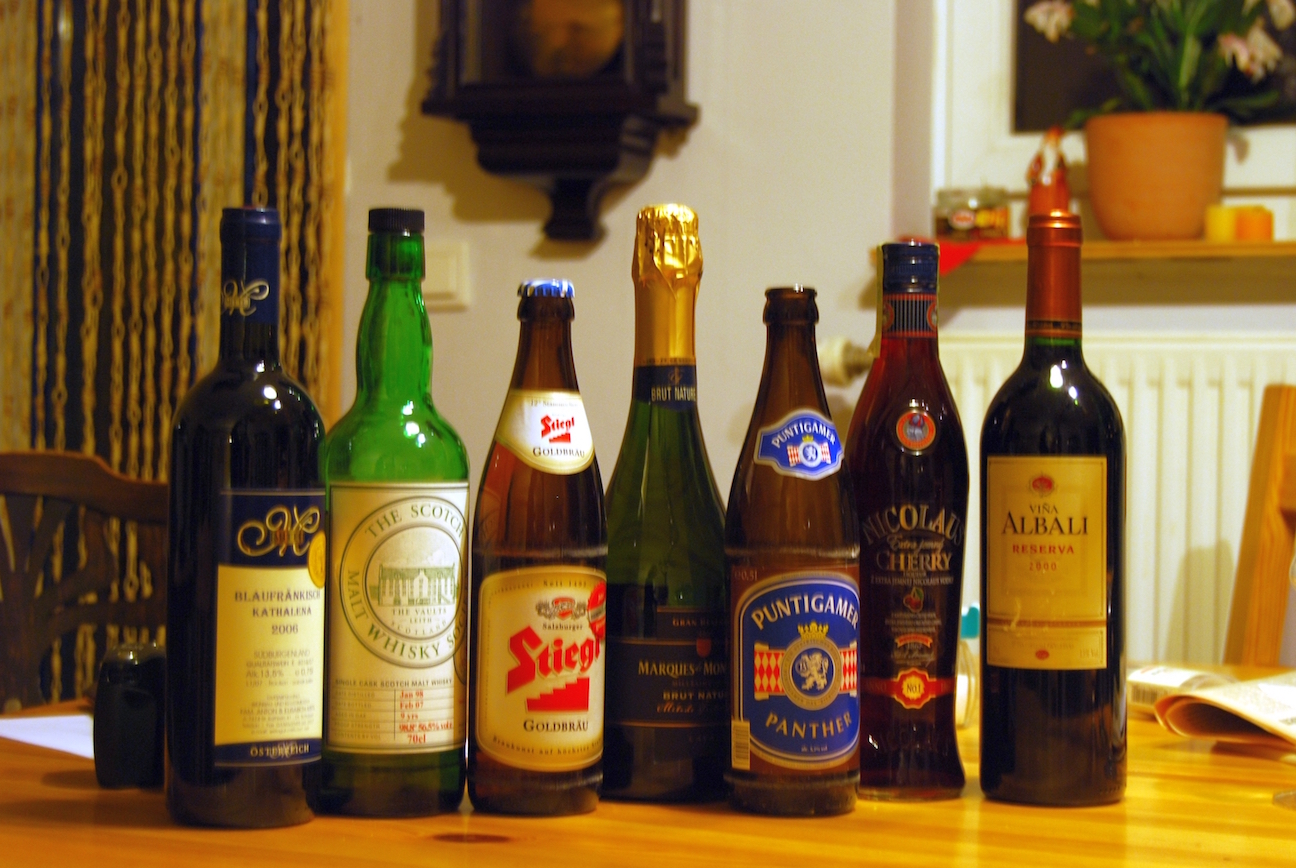
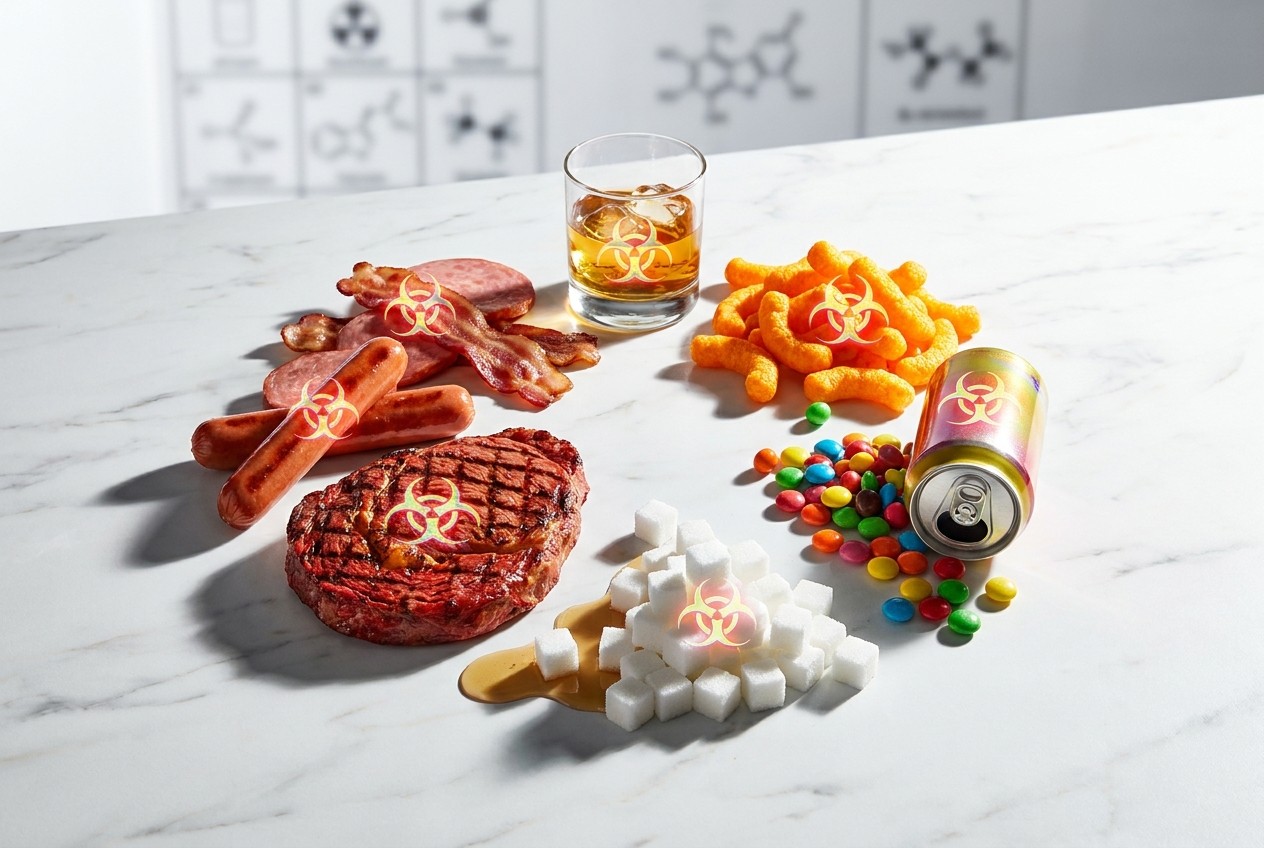
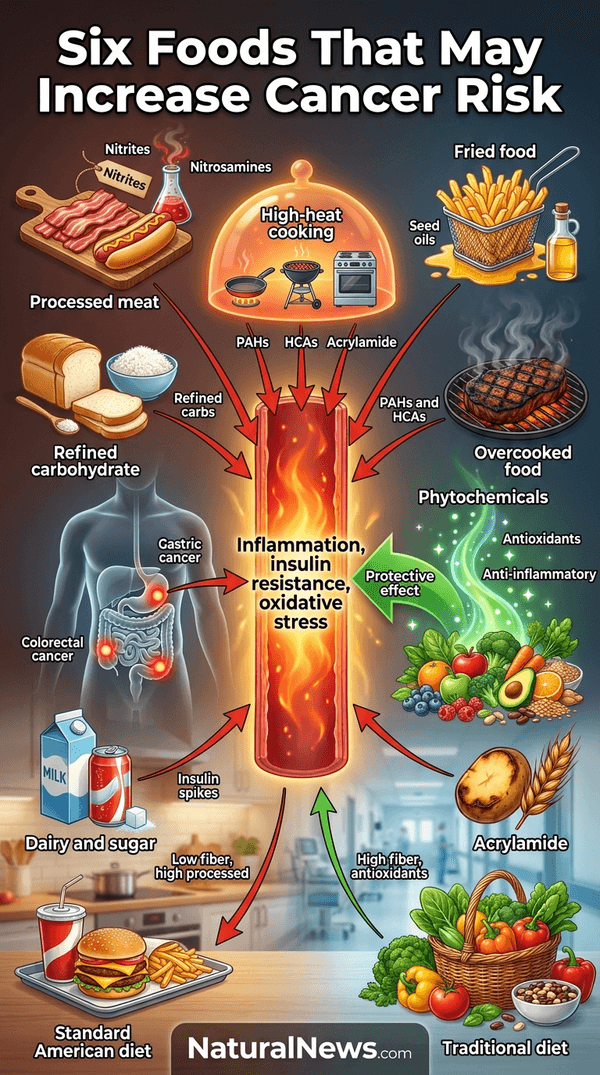
A Healthline report has identified six categories of food and drink that may increase the risk of some cancers: processed meats, fried foods, overcooked foods, dairy, sugar and refined carbohydrates, and alcohol [1].
A NaturalNews.com article described the standard American diet as one that typically consists of “a myriad of processed carbs, processed meat products, and a few fruits and vegetables” [2]. The report’s findings align with a broader body of research that has examined dietary links to cancer risk [1].
Processed Meats, Fried Foods, and Overcooked Foods
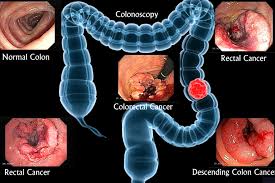
A recent NaturalNews.com report said research found that men in the highest fifth of nitrite intake had a 23% higher risk of colorectal cancer compared with the lowest fifth [3].
A 2007 analysis by the World Cancer Research Fund previously linked processed meats to increased cancer risk, male infertility, and early death [4].
The report also stated that overcooking meat with high heat creates carcinogenic PAHs and heterocyclic amines (HCAs). Another NaturalNews.com article reported that acrylamide, described as a probable carcinogen, can form in certain foods exposed to high levels of heat during cooking or processing [5].
A separate Mercola.com article stated that a World Health Organization (WHO) meeting was held in 2002 to respond to the discovery of “unexpectedly high levels of acrylamide, a potent carcinogen, in a wide variety of carbohydrate-rich foods cooked with traditional high-temperature cooking” [6].
Dairy, Sugar and Refined Carbohydrates, and Alcohol
A recent NaturalNews.com report on a study published in a peer-reviewed journal stated that individuals who drank sugar-sweetened beverages more than once per day had over twice the gastric cancer risk compared with those who rarely consumed them [7].
Experts suggest that families can build healthier eating habits by making small, lasting changes together. Rather than changing everything at once, choosing one or two simple ideas can make the process easier for everyone [12].
A regular meal pattern can help children develop consistent eating habits. Parents can decide what, when, and where food is offered, while children can decide whether and how much they eat. Children should have three meals and two to three snacks each day, with water offered between meals and snacks [12].
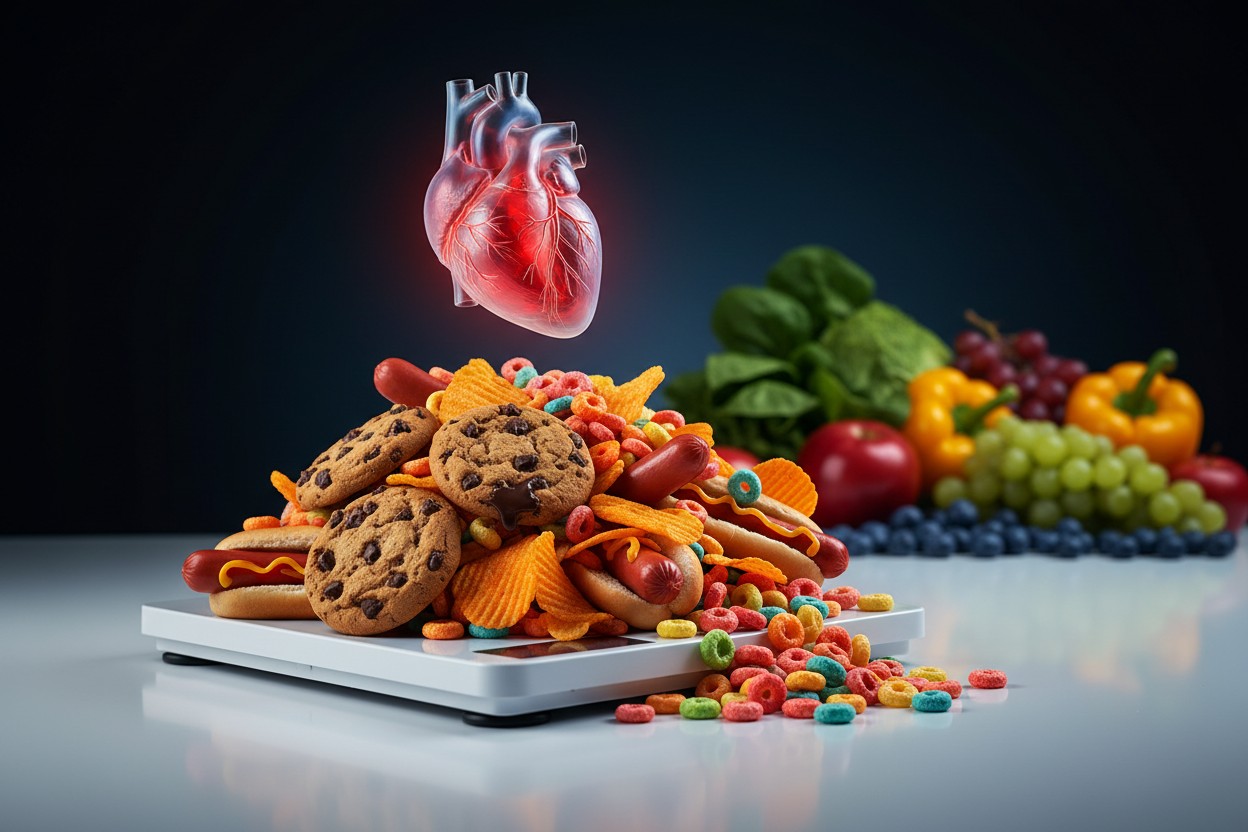
Snacks can be treated as mini meals by combining foods from two or three food groups, added health experts. Meals can include protein, grains, fruits, vegetables, and dairy, while about half the plate can be filled with fruits and vegetables. Whole grains, a variety of colorful produce, and foods such as fish, nuts, avocado, and oils can also be included [12].
Family meals provide an opportunity for children to observe healthy choices. Eating slowly, avoiding distractions such as screens, and allowing everyone to serve themselves can help children practice recognizing when they are full [12].
Families can also make healthy choices easier by keeping fruits and vegetables available for snacks and avoiding grocery shopping while hungry. Involving children in food preparation, visiting a farmers market or garden, and using activities such as family walks as rewards can make healthy habits more enjoyable [12].
Sugary drinks such as soda and juice can be limited, while restaurant and fast-food meals can remain an occasional special treat [12]. These changes can help improve overall health and reduce cancer risk for the whole family.
Foods That May Lower Risk and Alternative Perspectives
Another NaturalNews.com report on a study published in Frontiers in Nutrition stated that women with the highest intake of phytochemicals from food had 31% lower odds of ovarian cancer compared with those with the lowest intake [8].
According to a separate NaturalNews.com report on a study, a phytochemical-rich diet was linked to 52% lower colorectal cancer odds [9].
A Mercola.com article suggested that “the vast majority of cancers could be prevented by strictly applying basic, common-sense healthy lifestyle strategies” [10].
References
- 6 Foods That May Increase Your Risk of Cancer – Healthline. https://www.healthline.com/health/cancer/cancer-causing-foods
- Is the Standard American Diet (SAD) Bad for Y – NaturalNews.com, December 06, 2007
- Study Finds Nitrite, Not Nitrate, Linked to Colorectal Cancer Risk in Men. https://www.naturalnews.com/2026-09-26-nitrite-not-nitrate-linked-cancer-in-men.html
- Processed Meats Declared Carcinogenic – Mercola.com, November 11, 2015
- Health warning: Consumption of fried foods increases cancer risk – NaturalNews.com, February 11, 2019
- Fantastic Voyage: Live Long Enough to Live Forever by Grossman Terry Kurzweil Ray
- Daily Consumption of Sugar-Sweetened Beverages Linked to Higher Gastric Cancer Risk, Study Finds. https://www.naturalnews.com/2026-08-30-daily-consumption-sugar-sweetened-beverages-linked-gastric-cancer.html
- Higher Intake of Phytochemical-Rich Foods Tied to Lower Ovarian Cancer Odds, Study Finds. https://www.naturalnews.com/2026-09-07-higher-intake-high-phytochemical-foods-lower-ovarian-cancer.html
- Study Links Phytochemical-Rich Diet to 52% Lower Colorectal Cancer Odds. https://www.naturalnews.com/2026-09-17-study-phytochemical-food-lower-colorectal-cancer-odds.html
- Why Breast Density Matters When It Comes to B – Mercola.com, December 19, 2015
- Brighteon Broadcast News. by Mike Adams – Brighteon.com
- Healthy Eating Habits. https://www.seattlechildrens.org/health-safety/nutrition-wellness/healthy-eating-habits/
Explainer Infographic
Submit a correction >>
Tagged Under:
Alcohol, cancer risk, carcinogens, dairy, diet, Drinking, food choices, fried foods, lifestyle, lifestyle habits, overcooked foods, Processed Meats, refined carbs, stop eating poison, sugar
This article may contain statements that reflect the opinion of the author
RECENT NEWS & ARTICLES