Toxic receipts: 90% of store receipts contain harmful chemicals linked to cancer, autism and obesity
09/30/2026 / By Willow Tohi
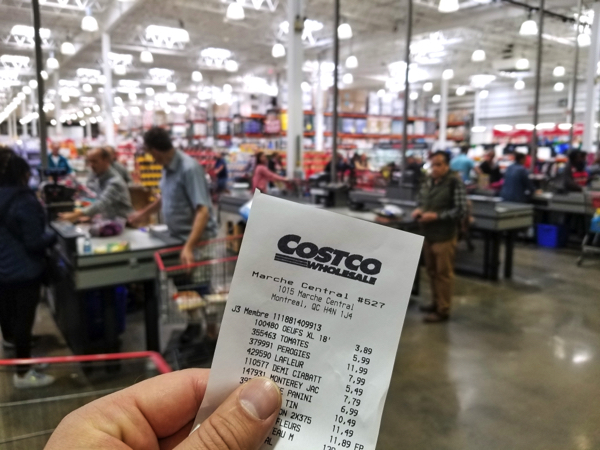
- Approximately 90% of store receipts contain toxic bisphenol chemicals, including BPA and BPS, which are endocrine disruptors linked to serious health conditions.
- Holding a single receipt for just 10 seconds can result in skin absorption of BPS above California’s safety threshold.
- BPS may be 100 times more potent as an endocrine disruptor than BPA, contradicting the safety of “BPA-free” alternatives.
- Cashiers and retail workers face significantly higher occupational exposure, with blood tests showing elevated BPS levels after work shifts.
- Consumers can reduce exposure by declining printed receipts, opting for emailed receipts and avoiding hand sanitizer before handling thermal paper.
The receipt you just touched may be poisoning you
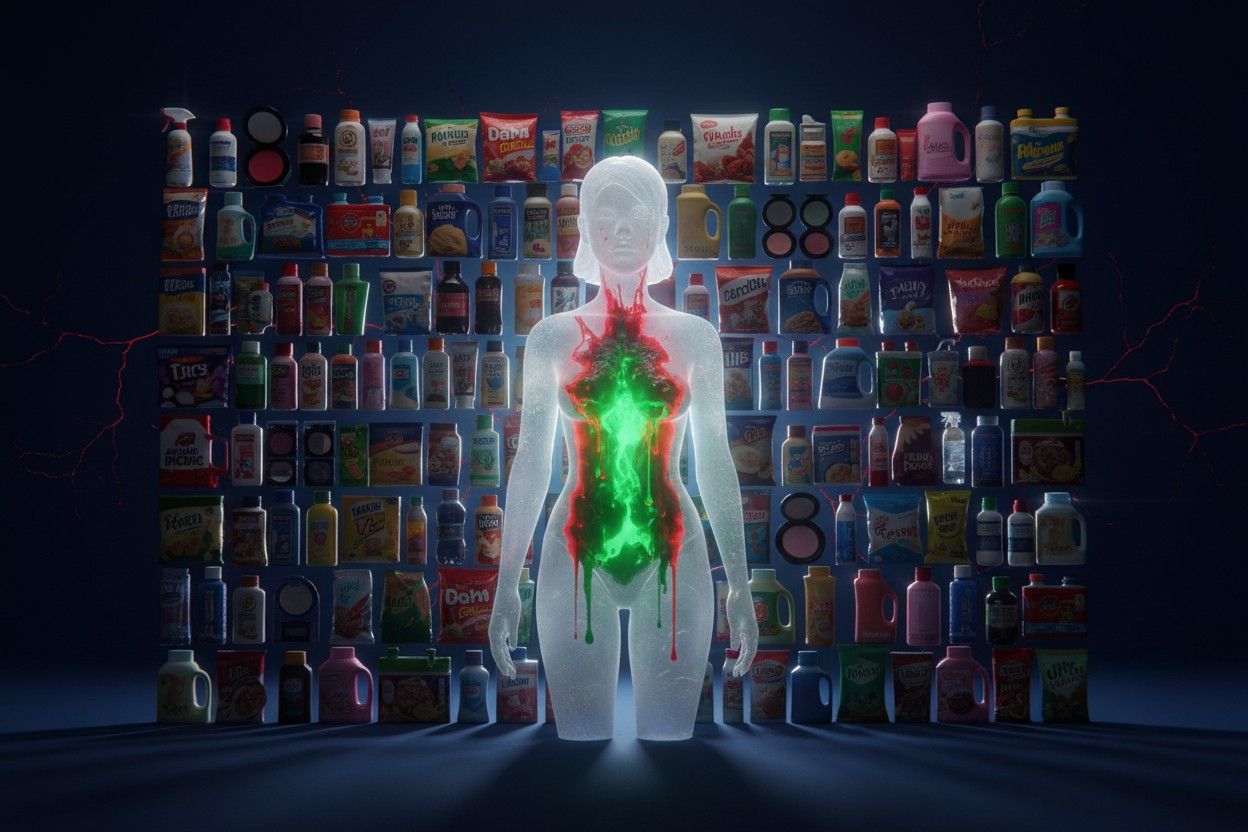
Every day, millions of Americans answer a simple question at checkout counters nationwide: “Would you like your receipt?” But what most consumers don’t know is that this seemingly innocent piece of paper may contain toxic chemicals linked to autism, cancer, diabetes and obesity.
A startling investigation by the Center for Environmental Health, a nonprofit advocacy organization, has revealed that approximately 90% of store receipts are contaminated with bisphenol chemicals. The findings, published in April 2025, demonstrate that holding a single receipt for only 10 seconds can result in skin absorption of bisphenol S above California’s safety threshold. Major retailers including Burger King, Gap, Claire’s, Subway, Forever 21 and The Cheesecake Factory have received violation notices for allegedly illegal levels of these chemicals in their receipt paper.
The hidden chemistry of thermal paper
Receipts are printed on thermal paper, which requires a chemical developer to create the familiar black text when heat is applied. Since the 1950s, manufacturers have used bisphenols—human-made chemicals originally developed for industrial manufacturing—for this purpose.
The bisphenol class includes over a dozen forms, including bisphenols A, B, C, F and P. While bisphenol A received significant regulatory attention leading to bans in baby bottles in the United States and food uses in Europe, manufacturers largely replaced it with bisphenol S and other analogs. Research published in Environmental Health Perspectives found that thermal receipt paper typically contains between 1% to 2% BPA, BPS, or BPSIP by weight.
BPS: The toxic replacement that’s worse than BPA
The term “BPA-free” has become a marketing buzzword, but the alternative chemicals may be more dangerous. Recent research indicates that BPS may be 100 times more potent as an endocrine disruptor than BPA.
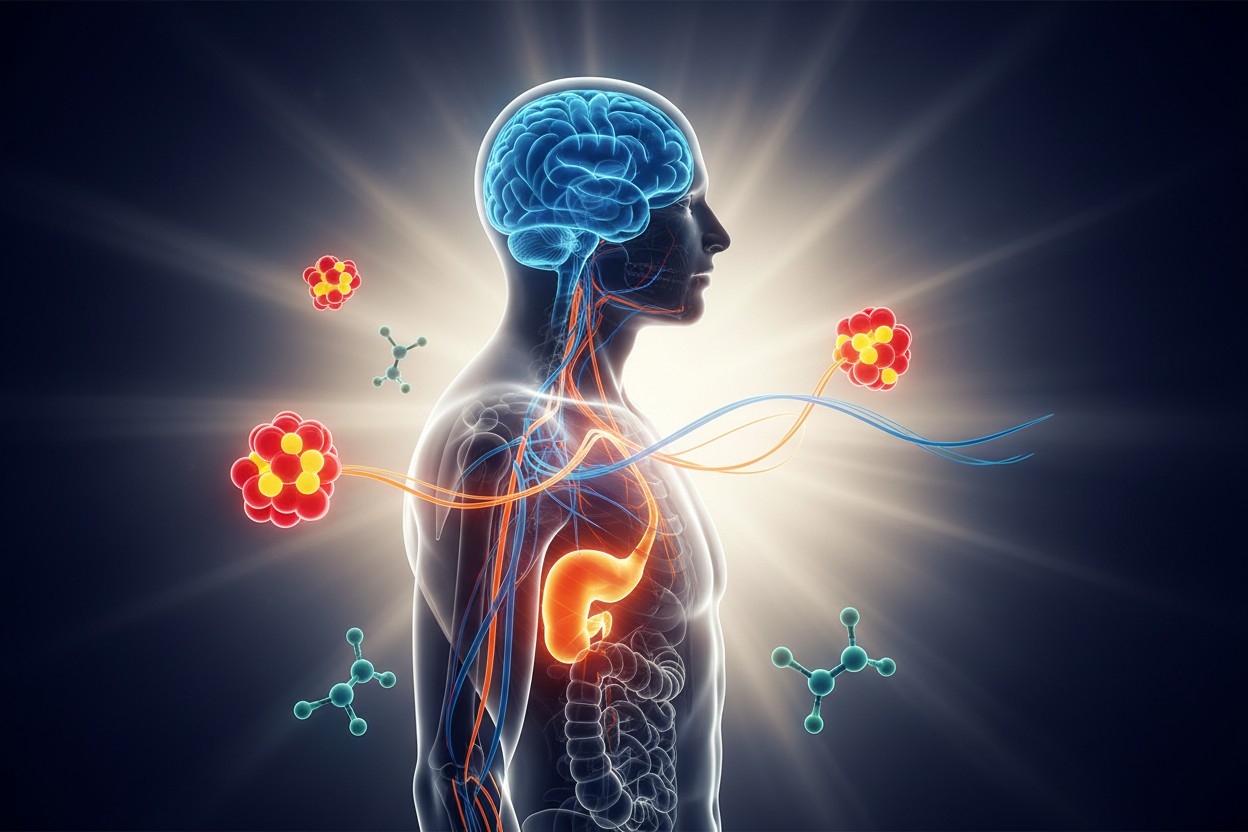
Bisphenols are classified as endocrine disruptors, meaning they interfere with the body’s hormone systems that control growth, reproduction and metabolism. Research shows BPA interrupts messaging through multiple hormones, most notably estrogen. Exposure has been linked to preterm birth, abnormal fetal brain development, heart disease, high blood pressure, diabetes and obesity.
Cashiers and retail workers face particularly high risks. Studies show that blood and urine samples from cashiers contained significantly higher levels of BPS post-shift compared to pre-shift, indicating that receipts represent a significant source of occupational exposure to these chemicals.
A shell game of toxic chemicals
The Center for Environmental Health has pursued legal action against retailers for more than two decades, achieving agreements requiring removal of BPA from receipt paper. However, as executive director Kizzy Charles-Guzman noted, companies that remove one toxic chemical often replace it with another equally harmful alternative.
California added BPS to its list of chemicals known to cause reproductive issues in late 2023, granting businesses a one-year grace period to either remove the chemical or provide warnings to consumers. The violation notices sent to 50 major retailers give companies 60 days to respond before potential lawsuits under California’s Proposition 65.
Practical steps for protection
Consumers concerned about exposure can take several precautions. The Center for Environmental Health recommends declining printed receipts when possible or requesting emailed receipts. For those who must handle receipts, avoiding alcohol-based hand sanitizers before touching thermal paper is crucial, as these products can significantly increase BPS absorption through the skin.
Store workers should wear gloves when handling receipts. Additionally, thermal paper containing bisphenols should not be recycled, as the chemicals can contaminate the recycling stream and pose environmental risks.
A persistent problem demanding systemic solutions
The ubiquity of toxic receipts represents a broader failure of chemical regulation in the United States. While Europe has banned BPA in food-related products and imposed stricter oversight of bisphenol chemicals, American consumers continue to encounter these substances in everyday transactions.
Some companies have begun transitioning to BPS-free alternatives, including paper treated with vitamin C, though these receipts produce less bright print. For the average person, handling a single receipt likely poses relatively low risk, but the cumulative exposure from multiple daily receipts, combined with bisphenols found in food packaging and other consumer products, creates legitimate concern.
The question at the checkout counter has never been more consequential. Until manufacturers commit to truly safe alternatives, declining that receipt may be the healthiest choice consumers can make.
Sources for this article include:
Submit a correction >>
Tagged Under:
Brain, chemicals, Dangerous, diabetes, health science, Heart, hormone health, prevent diabetes, research, toxins, women's health
This article may contain statements that reflect the opinion of the author
RECENT NEWS & ARTICLES