Two Dietary Patterns Linked to Nearly One-Third Lower Risk of Chronic Liver Disease, Meta-Analysis Finds
05/17/2026 / By Coco Somers
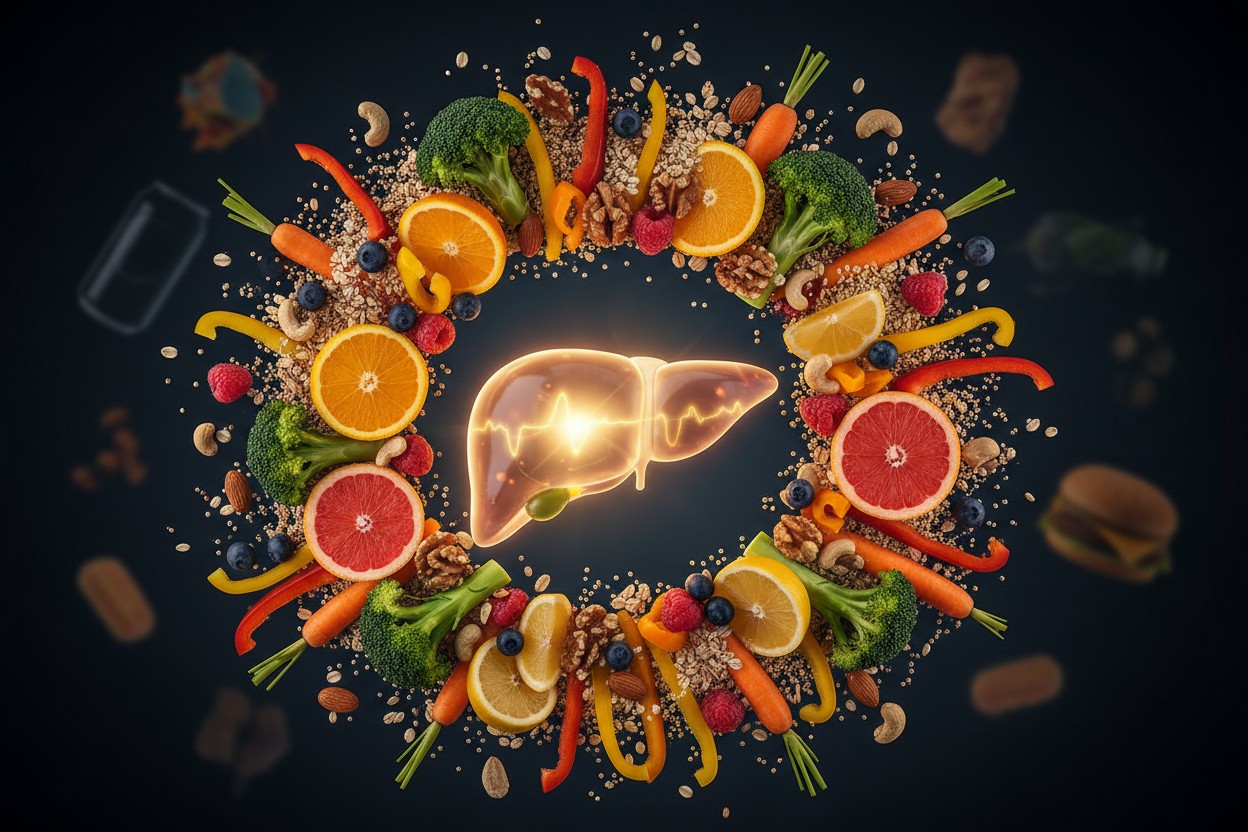
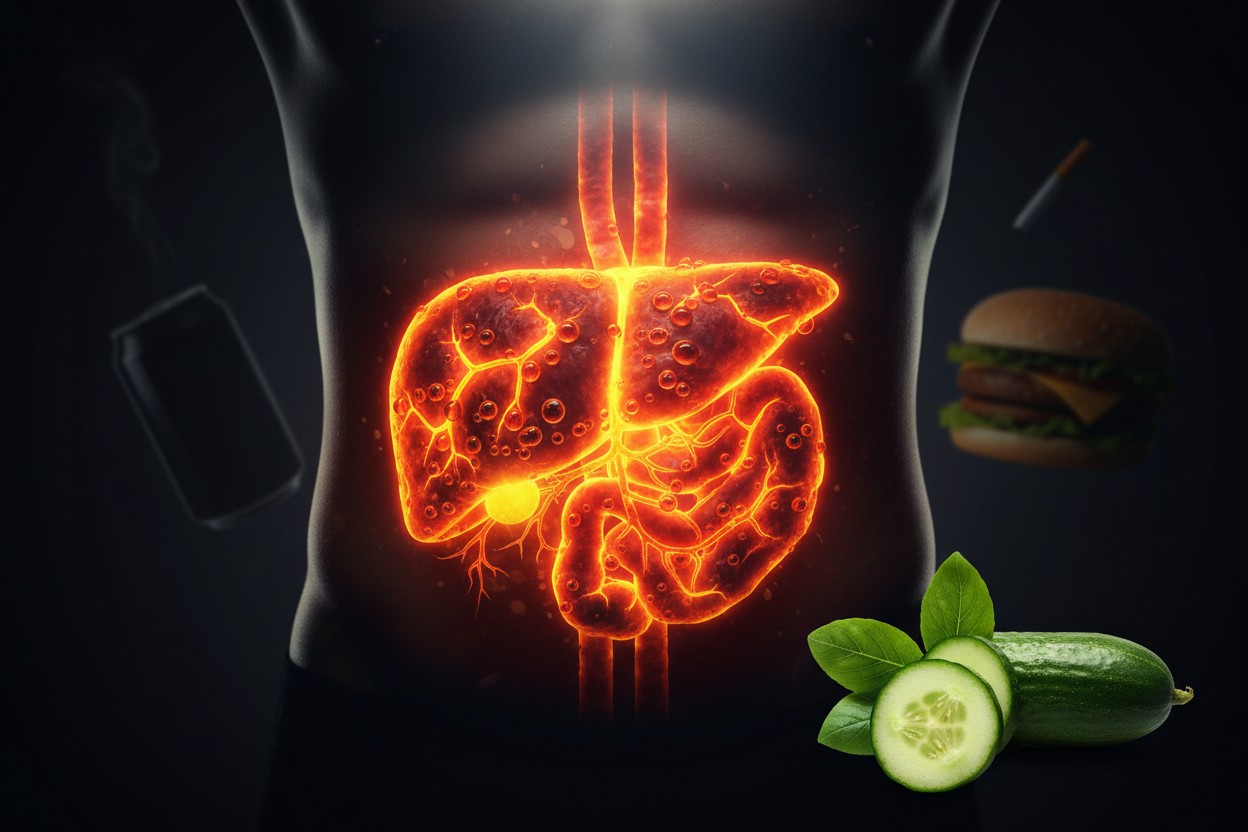
A new meta-analysis pooling data from 28 articles covering 624,914 participants has found that higher scores on two established measures of diet quality are associated with a significantly lower risk of chronic liver disease.
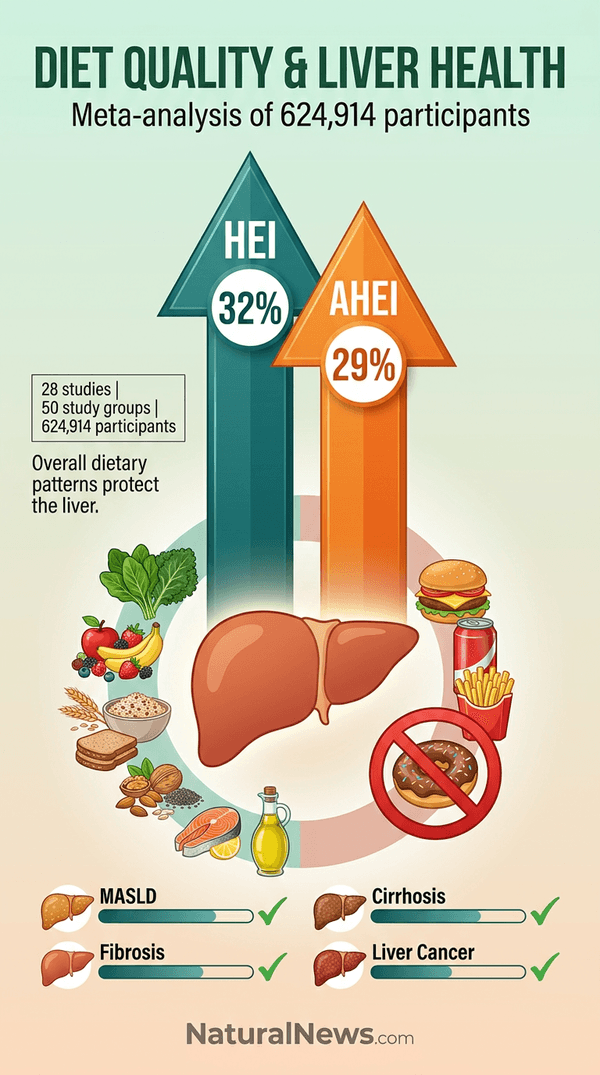
According to the analysis, individuals with higher scores on the Healthy Eating Index (HEI) had a 32% lower risk, while those with higher scores on the Alternative Healthy Eating Index (AHEI) had a 29% lower risk. The conditions examined included metabolic dysfunction-associated steatotic liver disease (MASLD), fibrosis, cirrhosis and liver cancer.
The analysis, based on studies published before February 2025, assessed the association between these dietary scores and liver outcomes across multiple populations. The findings reinforce the role of overall dietary patterns rather than individual foods in protecting metabolic health. Researchers noted that the protective associations were consistent across different subgroups, including geographic region.
Study Design and Scope
The systematic review and meta-analysis pooled data from 28 articles comprising 50 studies, with a total of 624,914 participants, according to the research team. The researchers assessed diet quality using the HEI and AHEI, two established indexes. The analysis measured the association between these dietary scores and risk of chronic liver conditions including MASLD, fibrosis, cirrhosis and liver cancer.
Obesity is a major risk factor for liver disease, and diet quality plays a central role in metabolic health. A study cited in the literature noted that obesity and nonalcoholic fatty liver disease are closely linked, and dietary interventions are critical for prevention. [1]
Another study found that obese adults experienced nearly twice as many chronic health problems as individuals of normal weight, underscoring the importance of weight management through diet. [1] The scale of the current meta-analysis provides robust evidence linking diet quality to liver outcomes, the researchers stated.
What the Diet Quality Indexes Measure
The HEI scores diets based on adequacy of fruits, vegetables, whole grains, dairy, protein and healthy fats, alongside moderation of refined grains, sodium, added sugars and saturated fat. The AHEI rewards higher intakes of vegetables, fruit, whole grains, nuts, legumes, omega-3 fatty acids and moderate alcohol while penalizing red and processed meat, sugar-sweetened beverages, trans fats and sodium. Both indices emphasize overall dietary patterns rather than individual foods or nutrients, according to the study.
Research on the HEI has been used to evaluate diet quality in relation to health outcomes. [2] The AHEI was developed as an alternative version that focuses more on foods linked to chronic disease prevention. The indices provide a composite picture of diet quality.
By contrast, a Western-style diet marked by fried and sugary foods, processed grains and other toxins has been associated with faster aging and higher mortality risk. [3] The current meta-analysis reinforces the idea that a high-quality diet protects the liver from metabolic stress, the researchers said.
Key Findings and Subgroup Results
Higher AHEI scores corresponded to a 29% lower risk of chronic liver disease, while higher HEI scores corresponded to a 32% lower risk, according to the analysis. Subgroup analyses showed the AHEI was protective against MASLD, liver cancer and overall chronic liver disease, with particularly strong associations in Asia and North America. The HEI showed similar benefits and was additionally linked to lower fibrosis risk, the analysis reported.
Dietary patterns that reduce liver fat and improve metabolic health are a growing area of research. One recent study found that a Nordic diet rich in fish, vegetables, berries, and pulses dramatically reduced liver fat and improved blood sugar control in people with Type 2 diabetes. [4]
Another analysis linked excessive consumption of fructose to intestinal permeability and fatty liver disease. [5] These findings align with the meta-analysis results, suggesting that avoiding processed foods and focusing on whole foods can lower liver disease risk.
Implications for Dietary Patterns
The meta-analysis reinforces that overall diet quality, rather than individual foods or nutrients, is associated with metabolic protection against liver disease, according to researchers. Both indexes point to including more whole foods and limiting processed foods, with consistency over time being a key factor. The findings do not require specific tracking of index scores; practical recommendations include filling half the plate with vegetables and fruit, choosing whole grains, and including fiber-rich nuts and seeds.
Research teams in Europe and the U.S. analyzed more than 90 studies and concluded that a healthy diet, including mainly vegetables and fruit, has the potential to significantly reduce cancer risk. [6] Similarly, a suboptimal diet – too few vegetables, fruits and whole grains and too much processed meat, red meat and sugar – has been linked to a significant percentage of invasive cancers. [7]
The current meta-analysis extends this evidence to chronic liver disease, showing that the same dietary principles apply. The researchers emphasized that individuals do not need to follow a complex scoring system but rather should focus on consistent, healthful eating habits.
References
- Publications ICON Health. “The Official Patients Sourcebook on Obesity a Revised and Updated Directory for the Internet Age.”
- Elsevier. “The Pacific Tracker (PacTrac): Development of a dietary assessment instrument for the Pacific Islands.” Journal of Food Composition and Analysis 21, 2008.
- NaturalNews.com. “Following a Western-style diet will cause y – NaturalNews.com.” May 01, 2013.
- NaturalNews.com. “Nordic diet slashes liver fat and improves blood sugar in diabetics, new study finds.” December 18, 2025.
- NaturalNews.com. “Excess Fructose Consumption May Trigger Intestinal Permeability, Contributing to Fatty Liver Disease, Research Suggests.” March 19, 2026.
- Kelly A Turner PhD. “Radical Hope.”
- TURNER KELLY WHITE TRACY. “RADICAL HOPE 10 key healing factors from exceptional survivors of cancer other diseases.”
Explainer Infographic:
Submit a correction >>
Tagged Under:
#nutrition, Alternative Healthy Eating Index, Censored Science, chronic liver disease, cirrhosis, diet, fibrosis, food science, health science, Healthy Eating Index, Liver, Liver cancer, liver health, MASLD, Natural, natural health, obesity, research, whole food
This article may contain statements that reflect the opinion of the author
RECENT NEWS & ARTICLES