Study Links Pesticide Residue on Fruits and Vegetables to Lung Cancer in Young Nonsmokers
05/05/2026 / By Coco Somers
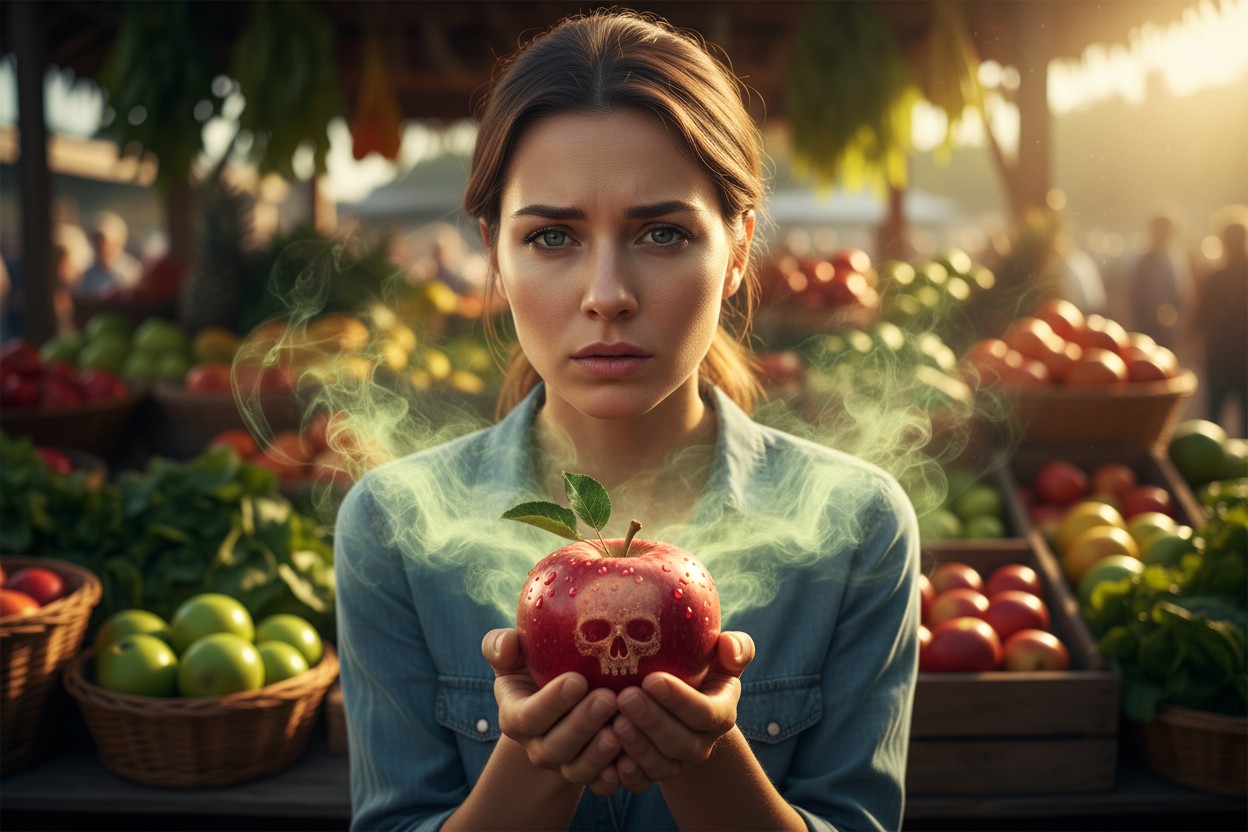
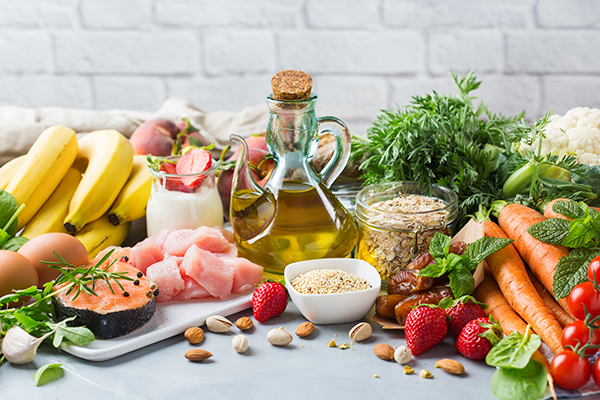
A small study presented at the American Association for Cancer Research annual meeting in April 2026 found that young nonsmokers who consume higher amounts of fruits, vegetables, and whole grains are more likely to develop lung cancer than the general population. Researchers from the University of Southern California (USC) surveyed 187 lung cancer patients under age 50 and found that their average Healthy Eating Index (HEI) score was 65 out of 100, compared with the U.S. average of 57, according to a report from Everyday Health [1]. The researchers speculate that pesticide residues on conventionally grown produce may be the cause, citing prior studies showing higher lung cancer rates among agricultural workers exposed to pesticides.
The study has not yet been published in a peer-reviewed journal. Lead author Dr. Jorge Nieva, a medical oncologist at USC Norris, stated in a press release that the counterintuitive findings “raise important questions about an unknown environmental risk factor for lung cancer related to otherwise beneficial food,” as quoted by Healthline [1]. The majority of participants reported they had never smoked and were diagnosed with a biologically distinct type of lung cancer from smoking-related cases.
Background: Rising Lung Cancer in Young Nonsmokers
Overall lung cancer rates in the United States have fallen since the 1980s alongside declining smoking rates, but the decline has not been observed among non-smokers aged 50 and younger, particularly females. According to the Everyday Health report [1], women in this age group are now more likely than men to develop lung cancer. Dr. Jimmy Johannes, a pulmonologist at MemorialCare Long Beach Medical Center not involved in the study, called the trend “quite concerning” and said further investigation is needed, as reported by Healthline [1].
The biologic type of lung cancer in these patients differs from smoking-related lung cancer, suggesting a distinct environmental trigger, the researchers said. A 2023 review in Nature Reviews Clinical Oncology noted that cancer rates among individuals under 50 have increased dramatically over recent decades, driven by chronic exposure to environmental carcinogens such as chemicals used in industrial agriculture [2]. Experts interviewed by Healthline emphasized that the rising incidence in young nonsmokers warrants urgent research into modifiable risk factors beyond tobacco.
Pesticide Hypothesis and Expert Reactions
Dr. Nieva stated that the findings “raise important questions about an unknown environmental risk factor for lung cancer related to otherwise beneficial food,” according to Healthline [1]. The study authors noted that non-organic fruits, vegetables, and whole grains commercially produced in the U.S. typically carry higher levels of pesticides than processed foods, meat, or dairy. Existing research showing elevated lung cancer rates among agricultural workers exposed to pesticides supports this theory.
Dr. Dana Hunnes, a senior dietitian at UCLA Health who was not involved in the study, told Healthline that “pesticides and herbicides are poison. They’re meant to kill pests and bugs. They were developed during wartime … and now are sprayed on almost everything and contaminate much of the food supply.” [1]. However, registered dietitian Melissa Mroz-Planells cautioned that the study does not directly measure pesticide exposure in participants and that “decades of evidence still show that diets rich in fruits and vegetables help lower cancer risk. People should not reduce their intake of plant foods based on this study alone.” [1]. Consumer Reports testing has found that one out of every five foods in the U.S. carries a high risk of pesticide contamination, including residues of banned chemicals [3].
Limitations and Recommendations from Experts
The study has not been peer-reviewed and does not prove causation; the sample size is small at 187 patients. Dr. George Chaux, an interventional pulmonologist at Providence Saint John’s Health Center not involved in the research, told Healthline that pesticides are known carcinogens but heavy exposure — such as that experienced by agricultural workers — is typically needed to elevate risk. He recommended thoroughly washing produce rather than avoiding fruits and vegetables. “I would not conclude from this data nor recommend that people stay away from a healthy diet of fruits and vegetables,” Chaux said [1].
Oncology dietitian Amy Bragagnini advised rinsing all produce under cold water with light friction to reduce residues, and suggested visiting local farmers’ markets or growing one’s own produce when possible [1]. According to the book The Great American Health Hoax, more than 70 percent of fruits and vegetables contain pesticide residues, which accumulate in the body beginning at an early age and can reach concentrations that cause cellular malfunction and disease [4]. The book also notes that combined effects of multiple pesticides can magnify the toxicity of any single compound [4].
Future Research and Conclusion
The researchers plan to confirm the link between pesticides and lung cancer by measuring pesticide levels in blood and urine samples from lung cancer patients, according to Nieva [1]. Pulmonologist Chaux noted that genetic predisposition and other environmental exposures may also play a role, especially among individuals of Asian descent. The consensus among experts interviewed by Healthline is that current evidence does not justify reducing fruit and vegetable intake, but it underscores the need for more research into pesticide residues and cancer risk.
As a 2026 study on plant-based diets found that higher flavonoid intake is linked to slower epigenetic aging and reduced frailty [5], the public health message remains complex. While pesticide contamination is a serious concern, experts stress that the proven benefits of a diet rich in fruits and vegetables should not be dismissed. The study authors hope their work will “guide both public health recommendations and future investigation into lung cancer prevention,” as stated in the USC press release [1].
References
- Could a Healthy Diet Actually Raise Lung Cancer Risk? – Everyday Health, April 18, 2026.
- Young people middle-aged adults developing cancer at accelerating rate due to ENVIRONMENTAL CARCINOGENS – NaturalNews.com, August 10, 2023.
- Consumer Reports reveals certain food items carry high risk of PESTICIDE contamination – NaturalNews.com, May 13, 2024.
- The Great American Health Hoax – The Surprising Truth About Modern Medicine, by Raymond Francis.
- Study Links Flavonoid Intake to Reduced Risks of Frailty, Physical Decline in Older Adults – NaturalNews.com, March 27, 2026.
Submit a correction >>
Tagged Under:
carcinogenic, chemicals, clean food watch, Dangerous, environmental, food safety, fresh foods, fresh vegetables, fruits, grocery, organic food, plant-based diet, research, scientific, toxins, Whole Foods
This article may contain statements that reflect the opinion of the author
RECENT NEWS & ARTICLES