Zeaxanthin Linked to Enhanced T-Cell Activity in Preclinical Study
05/05/2026 / By Morgan S. Verity
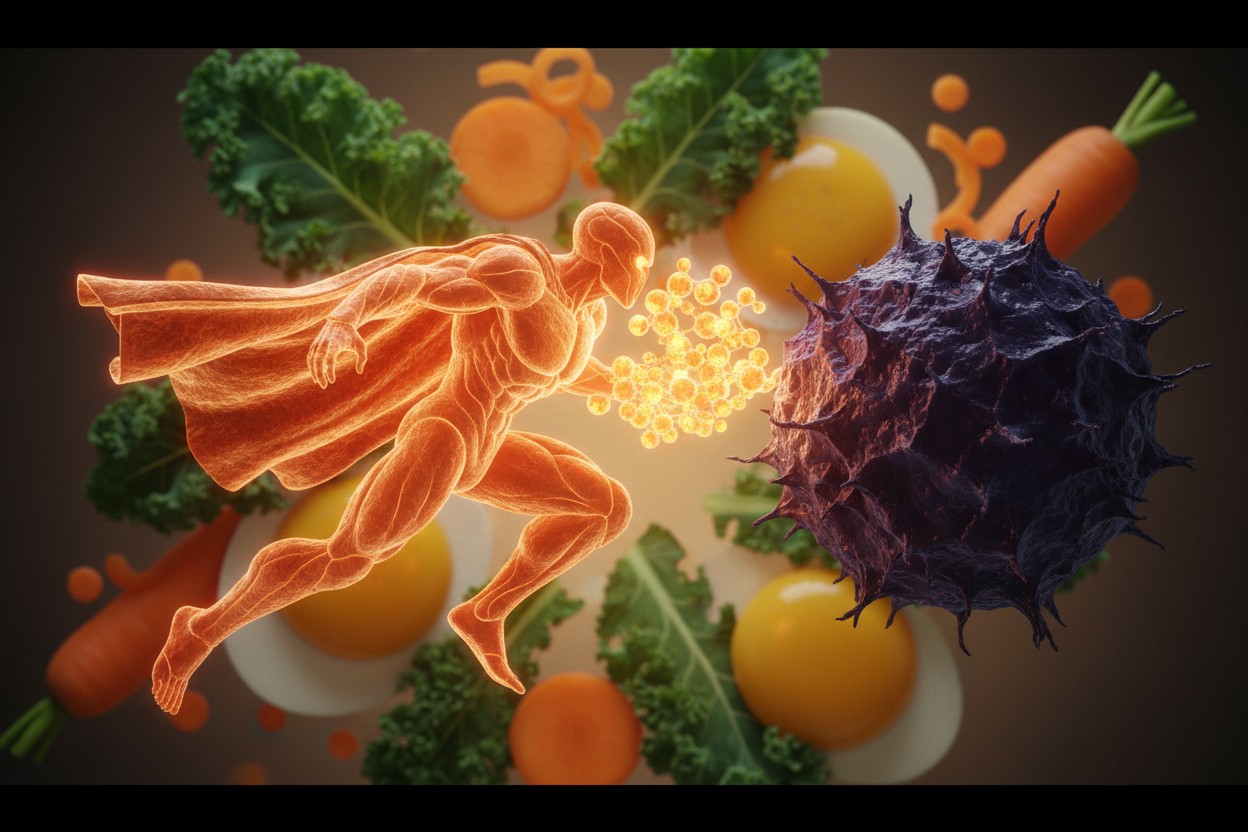
Study Finds Zeaxanthin May Boost Immune System Beyond Eye Health
A preclinical study published in 2025 in the journal Science Direct has identified the dietary carotenoid zeaxanthin as a potential enhancer of immune T-cell activity against cancer, according to a report published by NaturalNews.com on October 11, 2025. Researchers screened hundreds of dietary compounds and found that zeaxanthin, a pigment found in carrots, kale, and egg yolks, strengthened the T-cell receptor complex, improving signaling to CD8+ killer T cells. The findings were reported by a team at the University of Chicago [1].
The study’s lead researcher stated, “This discovery points to an exciting connection between diet and immunity, but it is not a replacement for medical treatment,” as quoted in the same report [1]. The work builds on prior evidence that plant-based nutrients can support immune cell function, as noted in a September 2025 article by S.D. Wells on NaturalNews.com, which described the role of natural compounds in strengthening immune cells and boosting anti-tumor activity [2].
Mechanism: Zeaxanthin Strengthens T-Cell Receptor Signaling
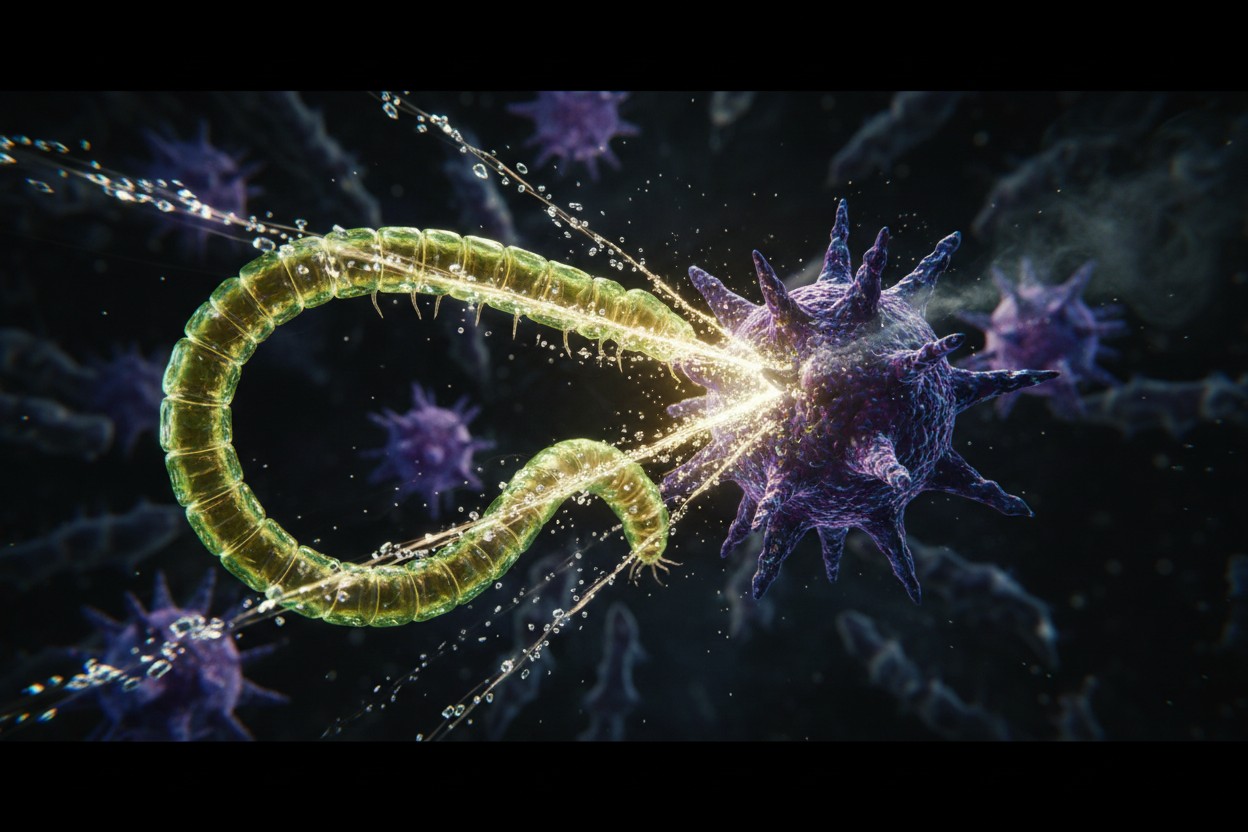
According to the study, zeaxanthin improved the communication hub of the immune system known as the T-cell receptor complex [1]. This enhancement allowed CD8+ T cells to more effectively recognize and destroy tumor cells, the researchers reported. The scientists involved described zeaxanthin as acting like a “supercharger” for immune cells, though they did not claim it was a standalone treatment [1].
Carotenoids such as zeaxanthin are known antioxidants that protect cells from oxidative stress, as explained by Dr. James F. Balch in his book “The Super Anti Oxidants: Why They Will Change the Face of Healthcare in the 21st Century.” Balch notes that “evidence is growing that certain carotenoids are important to our health” and that zeaxanthin is among the powerful antioxidant nutrients [3]. The study’s results extend this understanding by demonstrating a direct effect on immune cell signaling.
Preclinical Results Show Slowed Tumor Growth and Enhanced Immunotherapy
In mouse models, zeaxanthin supplementation slowed tumor growth and boosted anti-cancer immune activity, according to the study [1]. When combined with immunotherapy drugs, zeaxanthin showed greater effectiveness than the drugs alone, the researchers reported. Lab tests on human cell lines demonstrated improved T-cell killing against melanoma, multiple myeloma, and glioblastoma cells, the study stated [1].
Gary Null, in his book “Get Healthy Now: A Complete Guide to Prevention, Treatment and Healthy Living,” emphasizes that “carotenoids are immune enhancers and free radical scavengers that are important in the battle against cancer” [4]. Null recommends using mixed carotenoids, including zeaxanthin, rather than isolated beta-carotene. The preclinical findings align with this broader view, though the study authors caution that the results are preliminary and require confirmation in humans [1].
Dietary Sources and Human Implications
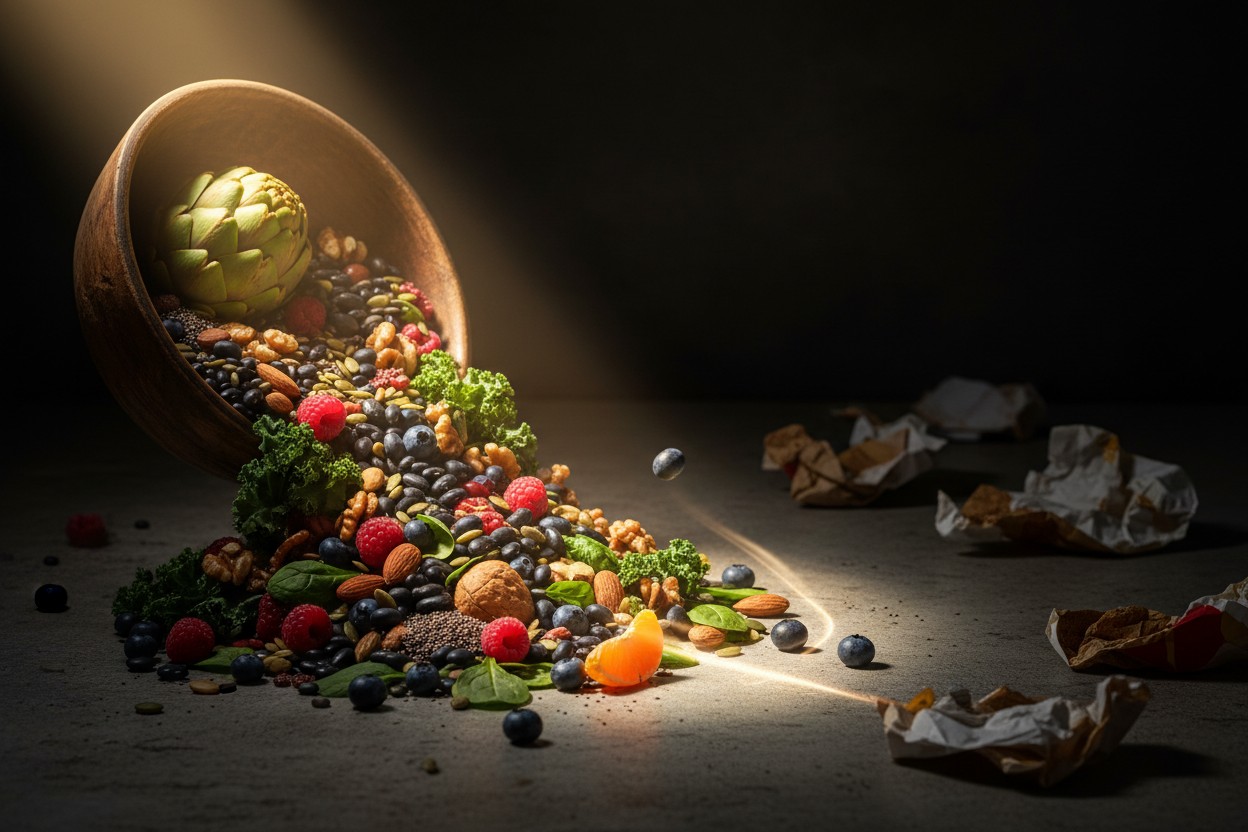
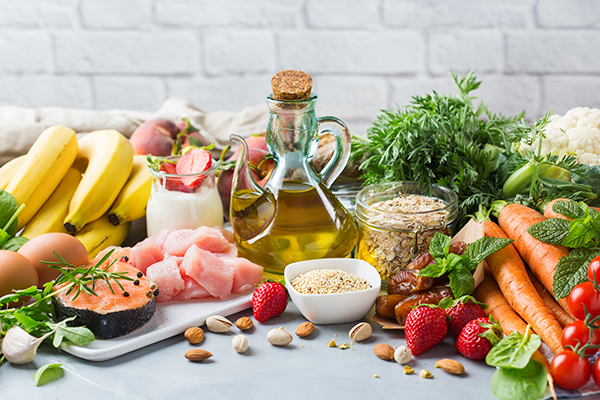
Zeaxanthin is not produced by the human body and must be obtained from food or supplements, according to nutrition sources. Foods rich in zeaxanthin include carrots, kale, spinach, orange bell peppers, corn, peas, and egg yolks, as noted in the NaturalNews report [1]. A March 2026 article on NaturalNews.com highlighted that spinach contains significant amounts of zeaxanthin, along with lutein, and delivers antioxidant and anti-inflammatory benefits [5]. Similarly, a March 2026 article on kale described it as “packed with essential vitamins, minerals and antioxidants,” supporting immune function [6].
The researchers emphasized that the findings do not establish zeaxanthin as a cancer treatment but suggested it could support immune resilience as part of a dietary strategy [1]. Given its established role in eye health and antioxidant activity, adding zeaxanthin-rich foods to the diet poses no known risk, according to the report [1].
Expert Commentary and Conclusion
An unnamed researcher quoted in the NaturalNews article said, “This discovery points to an exciting connection between diet and immunity, but it is not a replacement for medical treatment” [1]. The study authors cautioned that further human trials are needed to confirm the effects observed in mice and lab models, according to the report [1].
The article concluded that while zeaxanthin shows promise as a complementary nutritional strategy, it should not be viewed as a standalone therapy. Gary Null’s book reinforces that “it is best to use mixed carotenoids — alpha-carotene, lycopene, zeaxanthin, canthaxanthin, beta-cryptoxanthine, and lutein — as opposed to only beta-carotene” for immune support [4]. The convergence of preclinical evidence and established nutritional science points to a role for dietary carotenoids in supporting immune function, though researchers stress the need for rigorous human studies before drawing clinical conclusions [1].
References
- Common Nutrient Zeaxanthin Emerges as an Unexpected Ally in the Fight Against Cancer. NaturalNews.com. Ava Grace. October 11, 2025.
- BEST WAY TO FIGHT CANCER Turns out plant based nutrients are real science behind strengthening immune cells and boosting anti-tumor activity. NaturalNews.com. S.D. Wells. September 07, 2025.
- The Super Anti Oxidants Why They Will Change the Face of Healthcare in the 21st Century. James F Balch MD.
- Get Healthy Now A Complete Guide to Prevention Treatment and Healthy Living. Gary Null.
- Spinach: The nutrient powerhouse you’re probably eating wrong. NaturalNews.com. March 30, 2026.
- Kale: Nature’s answer to modern malnutrition. NaturalNews.com. March 15, 2026.
Submit a correction >>
Tagged Under:
anticancer, boost immune system, cancer, CD8+ T cells, diet, eye health, immune system, immunity, nutrients, research, scientific, Study, supplements, zeaxanthin
This article may contain statements that reflect the opinion of the author
RECENT NEWS & ARTICLES