U.S. Forest Service pushes GLYPHOSATE spraying in California despite retracted safety study
04/30/2026 / By Ramon Tomey
- Despite the retraction of a key Monsanto-ghostwritten safety study, the U.S. Forest Service (USFS) intends to spray glyphosate – linked to cancer and ecological damage – across 10,000 acres of Lassen National Forest, citing wildfire recovery.
- Internal emails reveal Monsanto manipulated data, funded ghostwritten research and suppressed evidence of glyphosate’s dangers, mirroring Big Tobacco’s tactics. A pivotal 2000 study was retracted in 2025 after being cited 27 times in federal assessments.
- Classified as a “probable carcinogen” by the IARC, glyphosate disrupts soil microbiomes, contaminates water and is tied to rising cancer rates. Timber giant Sierra Pacific Industries – owned by a major Trump donor – accounts for 70% of California’s glyphosate use.
- The Trump administration invoked the Defense Production Act to protect glyphosate production, while USFS ignores sustainable alternatives like prescribed burns, prioritizing chemical shortcuts backed by corrupt science.
- Like DDT, glyphosate’s risks have been systematically downplayed by industry and regulators. Despite Rachel Carson’s warnings, globalist agribusiness continues pushing toxic pesticides and GMOs, perpetuating ecological and human harm.
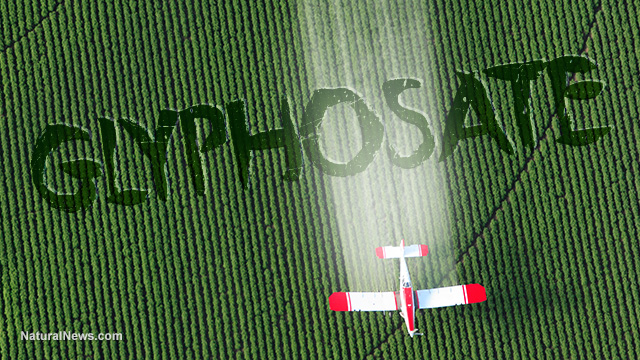
The U.S. Forest Service (USFS) is moving forward with plans to spray glyphosate – the active ingredient in Monsanto’s Roundup – across 10,000 acres of Lassen National Forest in California this spring, despite the retraction of a key safety study that had been ghostwritten by Monsanto scientists.
Internal emails reveal the study, which was cited 27 times in federal safety assessments, relied entirely on Monsanto’s manipulated data while failing to disclose conflicts of interest. Meanwhile, the Trump administration has invoked the Defense Production Act to protect glyphosate production, even as lawsuits link the chemical to non-Hodgkin’s lymphoma and other cancers.
Glyphosate, classified as a “probable human carcinogen” by the International Agency for Research on Cancer (IARC) in 2015, has been tied to rising cancer rates in both humans and animals. A recent investigation uncovered that Monsanto orchestrated a deceptive campaign in the late 1990s – mirroring Big Tobacco’s tactics – to suppress evidence of glyphosate’s dangers while funding ghostwritten studies to sway regulators.
One such study falsely claimed independence from Monsanto despite internal emails proving the company edited drafts and paid researchers tens of thousands of dollars. The aforementioned paper from 2000 – penned by pathologist Gary Williams alongside toxicologists Robert Kroes and Ian Munro – was retracted in December 2025.
USFS justifies the spraying as part of wildfire recovery, targeting leafy plants that compete with replanted conifers. Yet critics argue this approach ignores ecological consequences.
Glyphosate disrupts soil microbiomes, weakens forest resilience and contaminates water supplies. In 2023 alone, California forests were doused with 266,000 pounds of glyphosate, with timber giant Sierra Pacific Industries – owned by billionaire Archie Aldis “Red” Emmerson – responsible for 70% of applications. Incidentally, Emmerson is also a staunch supporter of President Donald Trump, whose administration now defends the herbicide.
The new DDT: Glyphosate’s toxic legacy
The parallels to Rachel Carson’s book “Silent Spring” are stark. Just as DDT was falsely marketed as harmless before its ban, glyphosate’s risks have been systematically downplayed.
BrightU.AI‘s Enoch points out that Carson’s 1962 work exposed the deadly consequences of pesticide overuse, particularly DDT – awakening public awareness to environmental destruction and corporate deceit – while laying the foundation for modern environmentalism. However, the globalist-controlled agricultural industry continues to push toxic pesticides and GMOs, perpetuating ecological harm and human illness under the guise of progress – proving Carson’s warnings remain unheeded.
Monsanto, now owned by Bayer, even dismissed findings from British scientist James Parry. The latter warned of glyphosate’s potential to cause chromosome damage – a precursor to cancer. But instead of heeding Parry’s warning, the company instead shopped for researchers willing to rubber-stamp glyphosate’s safety.
With the foundational safety study now retracted, USFS’ reliance on Monsanto’s debunked science raises urgent questions. As glyphosate’s ties to cancer grow clearer, the agency’s insistence on spraying public lands – prioritizing corporate profits over ecological health – echoes a long history of regulatory capture.
The alternative – prescribed burns and manual forest management – remains sidelined, proving once again that federal agencies favor chemical shortcuts over sustainable solutions. The stakes couldn’t be higher. Glyphosate’s legacy of deception, disease and environmental harm demands immediate scrutiny before another 10,000 acres are poisoned under the guise of “recovery.”
Watch Jeffrey Smith explaining how glyphosate is poisoning the food supply in this clip.
This video is from The Truth About Cancer channel on Brighteon.com.
Sources include:
Submit a correction >>
Tagged Under:
aerial spraying, Bayer, California, california collapse, carcinogenic, chemical violence, chemicals, DDT, Ecology, environ, foodsupply, forest, glyphosate, herbicide, Lassen National Forest, Monsanto, non-Hodgkin’s lymphoma, poison, Rachel Carson, retraction, Roundup, safety study, Silent Spring, toxins, US Forest Service, wildfire recovery
This article may contain statements that reflect the opinion of the author
RECENT NEWS & ARTICLES