Study Links Eight Common Food Preservatives to Higher Blood Pressure, Cardiovascular Risk
09/23/2026 / By Morgan S. Verity
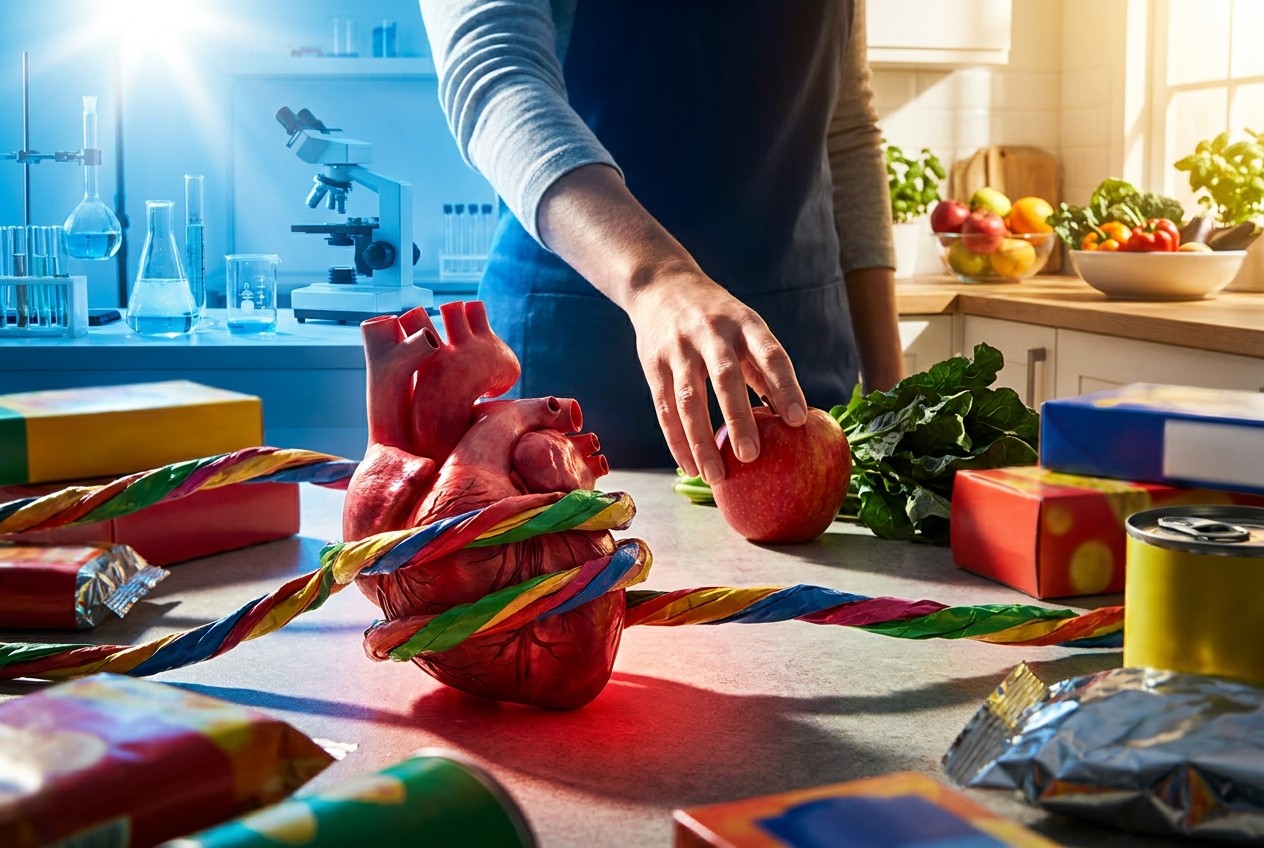
Higher intake of several widely used food preservatives is associated with an increased risk of hypertension and cardiovascular disease, according to research published Sept. 20, 2026, in the European Heart Journal. The study was led by Dr. Mathilde Touvier, a research director at INSERM, the French National Institute for Health and Medical Research, and Anaïs Hasenböhler, a doctoral student, both of the Nutritional Epidemiology Research Team at the Université Sorbonne Paris Nord and Université Paris Cité, according to the European Society of Cardiology.
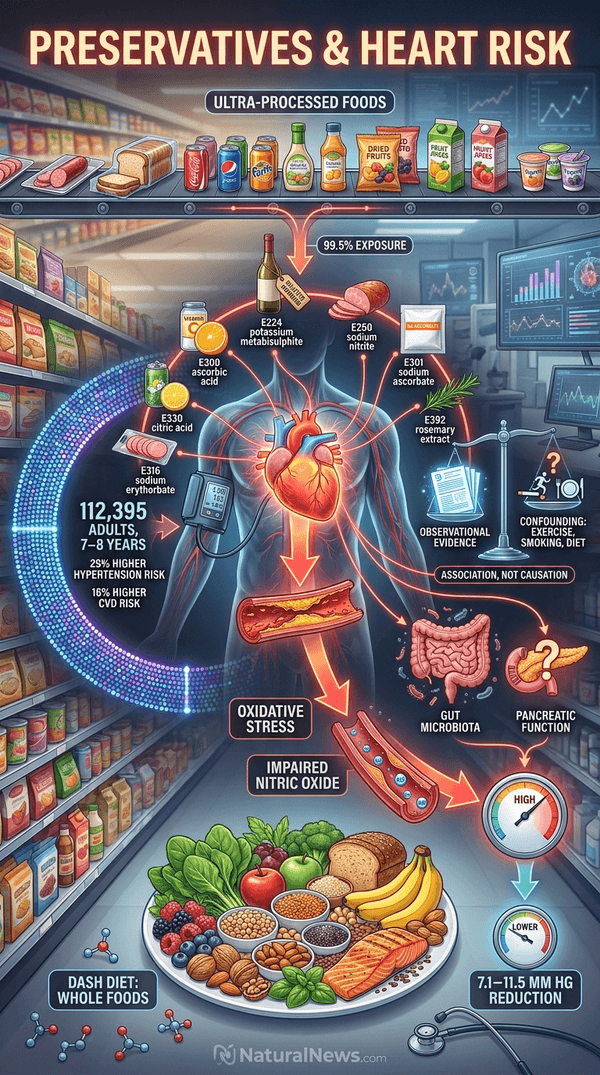
The analysis followed 112,395 adults living across France for an average of seven to eight years as part of the NutriNet-Santé project, researchers said. Participants with the highest intake of non-antioxidant preservatives had a 29% higher risk of hypertension and a 16% higher risk of cardiovascular disease, including heart attack, stroke and angina, than those with the lowest intake, the study reported. Those with the highest intake of antioxidant preservatives had a 22% higher risk of hypertension.
The authors stated that the observational study identified statistical associations and could not prove that preservatives directly caused the health outcomes. The findings do not mean that consuming one of these ingredients will necessarily cause high blood pressure or heart disease, the researchers said.
Study Tracked Detailed Dietary Records in French Adults
The work was conducted as part of NutriNet-Santé, a large ongoing research project examining the connections between nutrition and health, according to the researchers. Every six months, participants recorded everything they ate and drank during a three-day period, giving researchers detailed dietary information rather than broad estimates of food consumption, the study stated.
Preservative exposure was nearly universal. During the first two years of participation, 99.5% of volunteers consumed at least one food preservative, researchers reported. The team then examined the ingredients in those foods and beverages, including the preservatives they contained, and followed participants to track whether they developed high blood pressure or cardiovascular diseases such as heart attack, stroke or angina.
Ms. Hasenböhler said: “Food preservatives are used in hundreds of thousands of industrially processed foods. Experimental studies suggest that some preservative food additives may be harmful to cardiovascular health, but we have not had enough evidence on the impact of these ingredients in humans. As far as we know, this is the first study of its kind to investigate the links between a wide range of preservatives and cardiovascular health.” Prior reporting has noted that ultra-processed foods significantly increase the risk of heart disease, cancer and early death, with just 100 grams daily raising cardiovascular risk by 6% and digestive disorders by 19.5%, according to a study of 8 million adults [1].
Eight Preservatives Associated With Hypertension
Researchers analyzed 17 of the preservatives most commonly consumed by participants and identified eight that were specifically associated with a higher risk of high blood pressure: potassium sorbate (E202), potassium metabisulphite (E224), sodium nitrite (E250), ascorbic acid (E300), sodium ascorbate (E301), sodium erythorbate (E316), citric acid (E330) and extracts of rosemary (E392), the study reported. Ascorbic acid (E300) was also specifically associated with cardiovascular disease, according to the findings.
The two categories of preservatives protect food in different ways. Non-antioxidant preservatives are generally used to prevent potentially harmful microorganisms, including bacteria and mold, from growing, while antioxidant preservatives slow oxidation, a chemical process that can cause foods to brown, develop unpleasant flavors or become rancid, researchers said.
The findings arrived amid broader scrutiny of food additives. A separate review of more than a decade of research, published in the journal Nutrients, concluded that a diet heavy in industrially formulated foods is strongly linked to a higher risk of developing Crohn’s disease, a severe inflammatory bowel condition [2]. An animal study published in Food Research International found that consumption of the additive xanthan gum was associated with mild colon inflammation, increased inflammatory markers and changes in proteins that regulate the intestinal barrier [3].
Limitations and Possible Mechanisms Cited
Dr. Touvier said: “This study has some limitations inherent to its observational design. However, the findings are based on highly detailed data, and we have taken account of other factors that can increase or lower the risk of cardiovascular disease. Experimental research in the literature consistently suggested that preservatives may cause oxidative stress in the body or affect the way the pancreas works.”
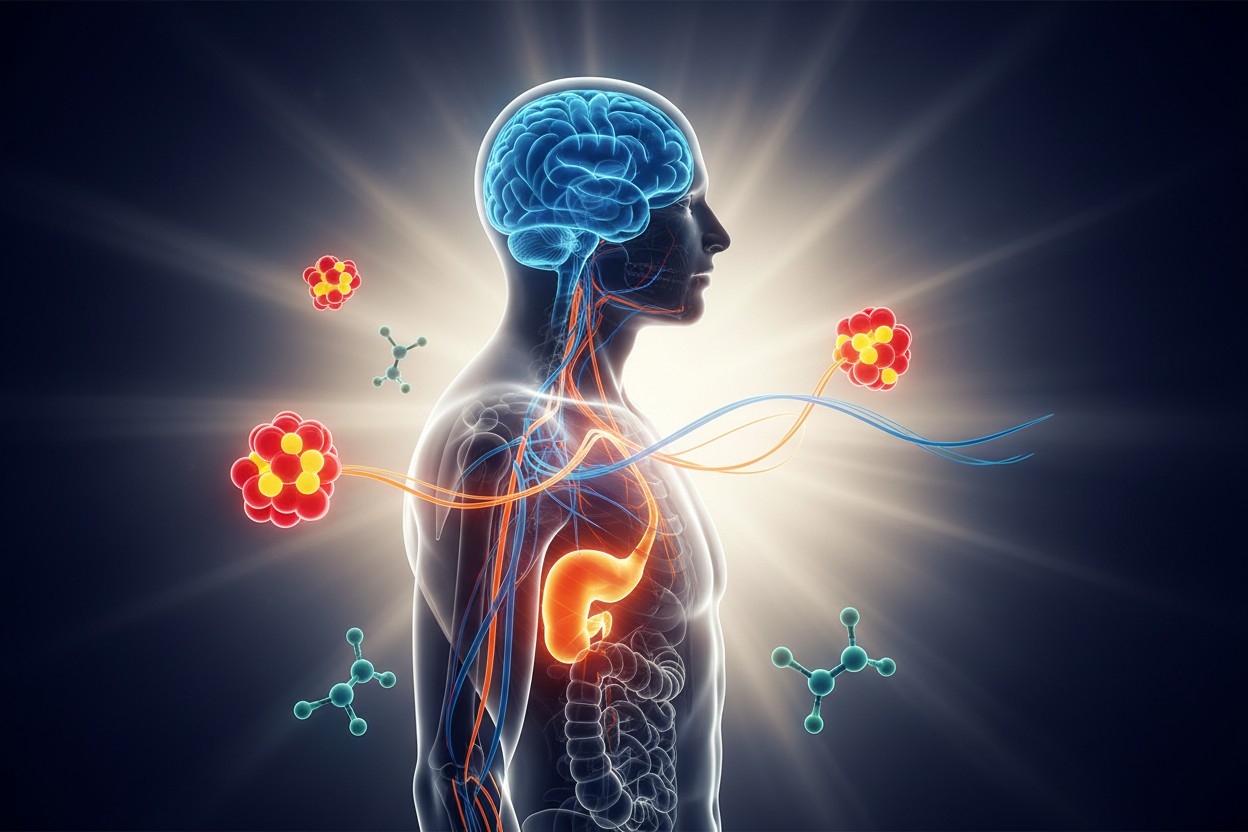
One possible explanation involves oxidative stress, which occurs when reactive molecules build up faster than the body’s protective systems can neutralize them, potentially damaging cells and tissues over time. Researchers are also investigating whether preservatives could influence pancreatic function, the study stated. The pancreas plays a central role in regulating blood sugar and metabolism, so changes in its function could have broader effects throughout the body.
The team is now studying how food additives and ultra-processed foods may influence inflammation, oxidative stress, the metabolic profile of the blood and the gut microbiota, according to the study. The gut microbiota refers to the community of bacteria and other microorganisms living in the digestive tract. The authors said the observational design means the study cannot establish that preservatives were directly responsible for the increased risks observed.
Researchers Call for Re-Evaluation; Recommend Minimally Processed Foods
Dr. Touvier said the results suggest a need for a re-evaluation of the risks and benefits of these food additives by the authorities in charge, such as the European Food Safety Authority in Europe and the U.S. Food and Drug Administration in the U.S., for better consumer protection. The findings support existing recommendations to favor non-processed and minimally processed foods and avoid unnecessary additives, she said. Doctors and other healthcare professionals play a key role in explaining these recommendations to the public, according to Dr. Touvier.
The study is not the first to raise questions about additives in the food supply. Research from Israel and the U.S. identified a common ingredient in food preservatives that can induce insulin resistance, a hallmark symptom of diabetes, in findings published in Science Translational Medicine that used both murine models and clinical trials to investigate the adverse effects of propionate [4]. Separate studies have shown that mixtures of food additives in ultraprocessed foods increase Type 2 diabetes risk, even for those following otherwise healthy diets, with additives damaging the gut microbiome, disrupting cellular function and causing DNA damage when combined, even at low doses that match typical consumption patterns [5].
Other natural-healing guidance points in the same direction. More traditionally processed foods and fewer artificially and chemically processed foods are recommended, along with increased intake of foods in their whole form and reduced intake of refined and partial foods [6]. Whole foods are always the best choice for fighting hypertension because processed foods are typically high in polyunsaturated vegetable oil, trans fat, sodium, sugar and chemical preservatives, all of which are bad for blood pressure, according to Sinatra [7]. No causal conclusion was reached in the preservative study, and further research is needed, the researchers stated.
References
- Cassie B. “Shocking study reveals how even small amounts of processed snacks raise risk of deadly diseases”. NaturalNews.com. May 8, 2025.
- NaturalNews.com. “This common food additive may cause insulin resistance and increase your risk of diabetes and heart disease, warn health experts”. NaturalNews.com. October 26, 2019.
- Kushi Aveline. “The quick and natural macrobiotic cookbook”.
- Sinatra Stephen T. “Bottom Lines: The healing kitchen: prevent and reverse today’s most common health conditions with delicious foods”.
- NaturalNews.com. “Study: Common Food Additive Xanthan Gum May Influence Gut Health”. September 3, 2026.
- NaturalNews.com. “The hidden cost of convenience: How ultra-processed foods may be fueling a Crohn’s disease epidemic”. September 7, 2026.
- Children’s Health Defense. “Common Food Additives Linked to Higher Risk of Type 2 Diabetes”.
Explainer Infographic
Submit a correction >>
Tagged Under:
carcinogenic compounds, clean food watch, Dangerous, food additives, food science, food supply, grocery, ingredients, Nitrates, Potassium sorbate, preservatives, products, research, stop eating poison, toxic ingredients, toxins
This article may contain statements that reflect the opinion of the author
RECENT NEWS & ARTICLES