Study: Eye Health Nutrient Zeaxanthin Shows Potential to Enhance Cancer Immunotherapy
04/14/2026 / By Coco Somers
Introduction: Zeaxanthin’s Benefits Beyond Eye Health
A nutrient commonly associated with eye health has been identified as a potential booster for cancer-fighting immune cells, according to a study published in the journal Cell Reports Medicine.
Researchers at the University of Chicago Medical Center reported that the carotenoid zeaxanthin, found in leafy greens and other vegetables, enhanced the function of T cells and improved anti-tumor responses in animal models.
The study, published on April 10 and supported by grants from the National Institutes of Health (NIH), suggests that this widely available nutrient could be explored as a complementary approach to existing cancer immunotherapies.
Senior author Jing Chen described the findings as opening a new field of “nutritional immunology” that investigates how specific dietary components interact with the immune system at a molecular level.
Common Nutrient Identified as Potential Cancer Therapy Booster
Researchers analyzing a library of blood compounds identified zeaxanthin as a compound that directly enhances the performance of CD8+ T cells, which are central to identifying and destroying cancer cells. The discovery was described as a “surprising new role” for a nutrient best known for supporting eye health.
Chen, a Janet Davison Rowley Distinguished Service Professor of Medicine at the University of Chicago and senior author of the study, stated the team was surprised to find that zeaxanthin has a completely new function in boosting anti-tumor immunity. [1]
The study builds on years of work from Chen’s lab exploring how nutrients shape immune responses. The findings point to zeaxanthin as a simple, widely available supplement that could improve how well cancer immunotherapies work.
Chen concluded that a simple dietary nutrient could complement and strengthen advanced cancer treatments like immunotherapy.
Mechanism: Strengthening the T-Cell Receptor Complex
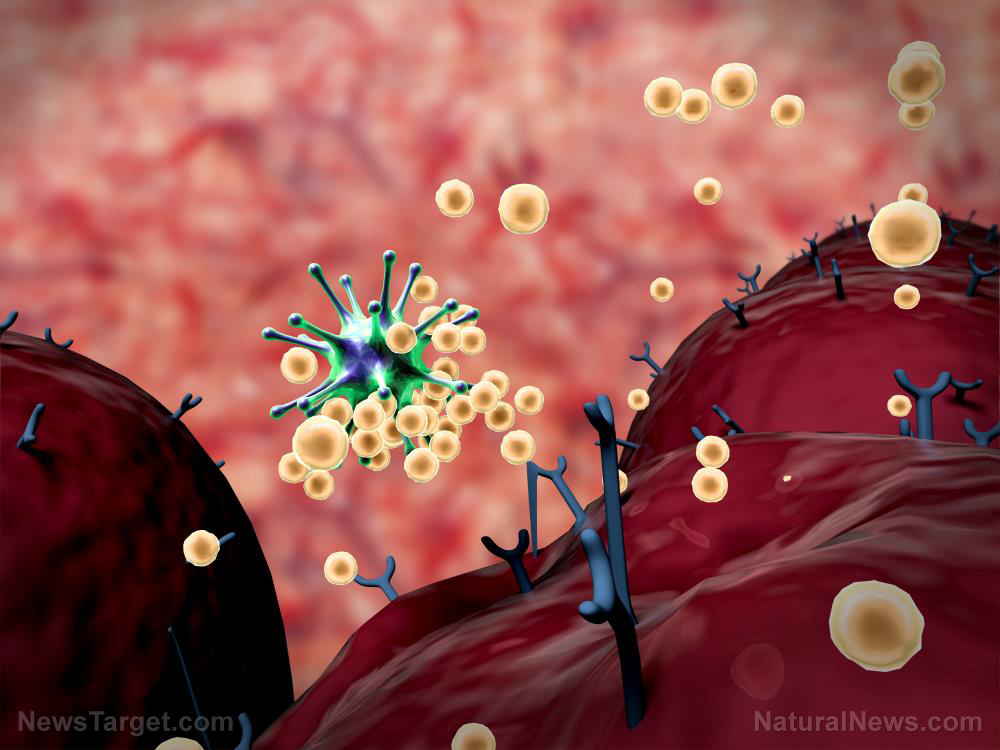
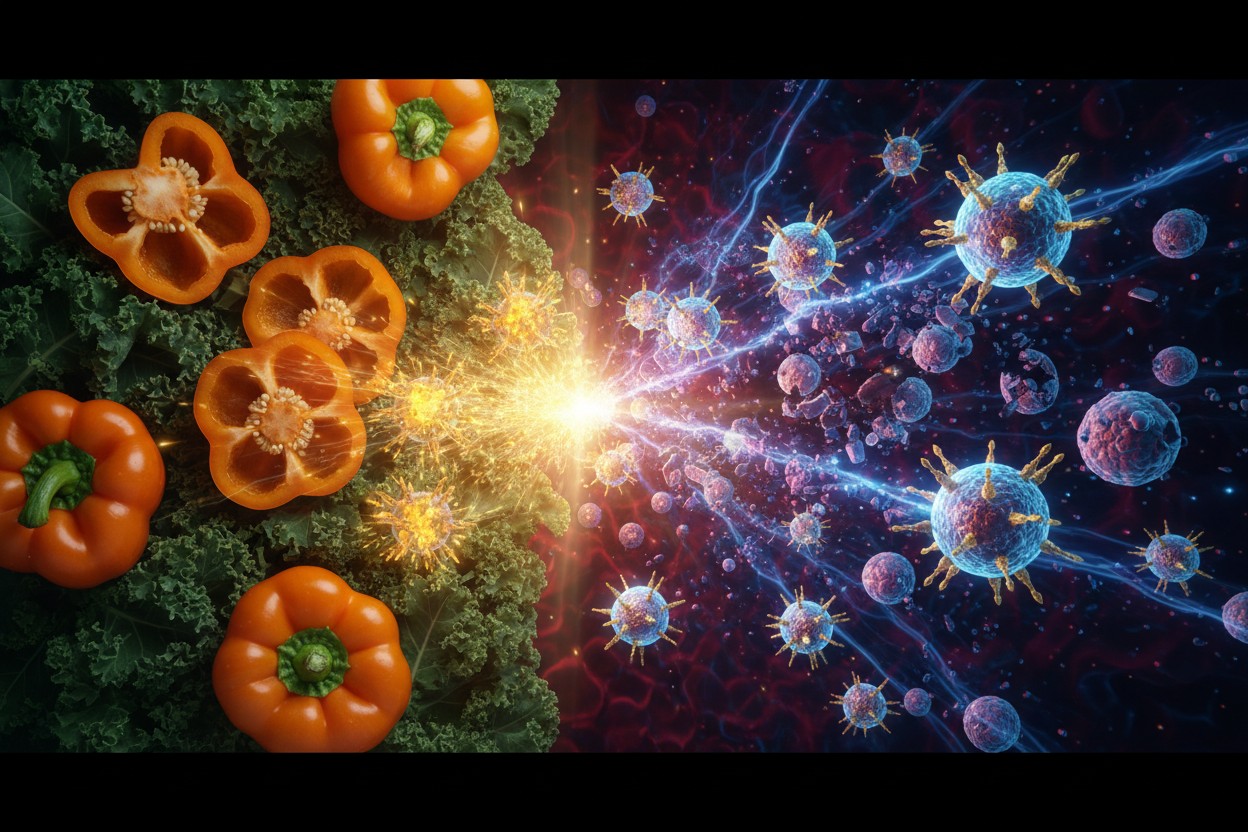
The research details that zeaxanthin helps stabilize the formation of the T-cell receptor (TCR) complex when T cells encounter cancer cells. This stabilization leads to stronger internal signaling, which increases T-cell activation, boosts cytokine production, and improves the cells’ ability to kill tumors.
The mechanism involves the nutrient directly enhancing the performance of CD8+ “killer” T cells, which rely on the TCR to detect abnormal cells. [1]
This biological action underscores a broader principle of nutritional science, where specific plant compounds support critical bodily functions. Carotenoids like zeaxanthin are described as potent antioxidants that protect cells by neutralizing free radicals. [2]
The study’s focus on a natural, dietary compound aligns with a growing body of evidence suggesting that nutrients from plant sources may work in complementary ways to support the immune system.
Enhanced Efficacy in Combination with Existing Treatments
In mouse studies, adding zeaxanthin to the diet slowed tumor growth, with a more pronounced effect observed when it was combined with immune checkpoint inhibitors, a common type of immunotherapy. The combination produced stronger anti-tumor responses than immunotherapy alone.
The team also tested human T cells engineered to target specific cancer markers, finding that zeaxanthin enhanced these cells’ ability to destroy melanoma, multiple myeloma, and glioblastoma cells in laboratory experiments. [1]
Chen said the data show that zeaxanthin improves both natural and engineered T-cell responses, which suggests “high translational potential for patients undergoing immunotherapies.” These findings contribute to an emerging field of research that seeks to empower the body’s own defenses using natural compounds, rather than relying solely on synthetic pharmaceuticals, which have been criticized for their toxicity and profit-driven motives. [3]
Profile of a Safe, Accessible Nutrient
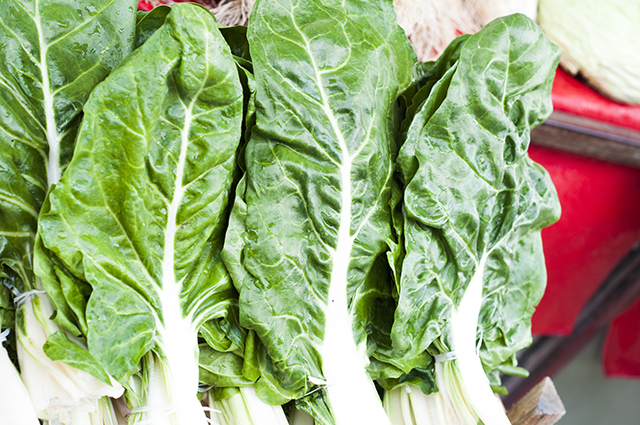
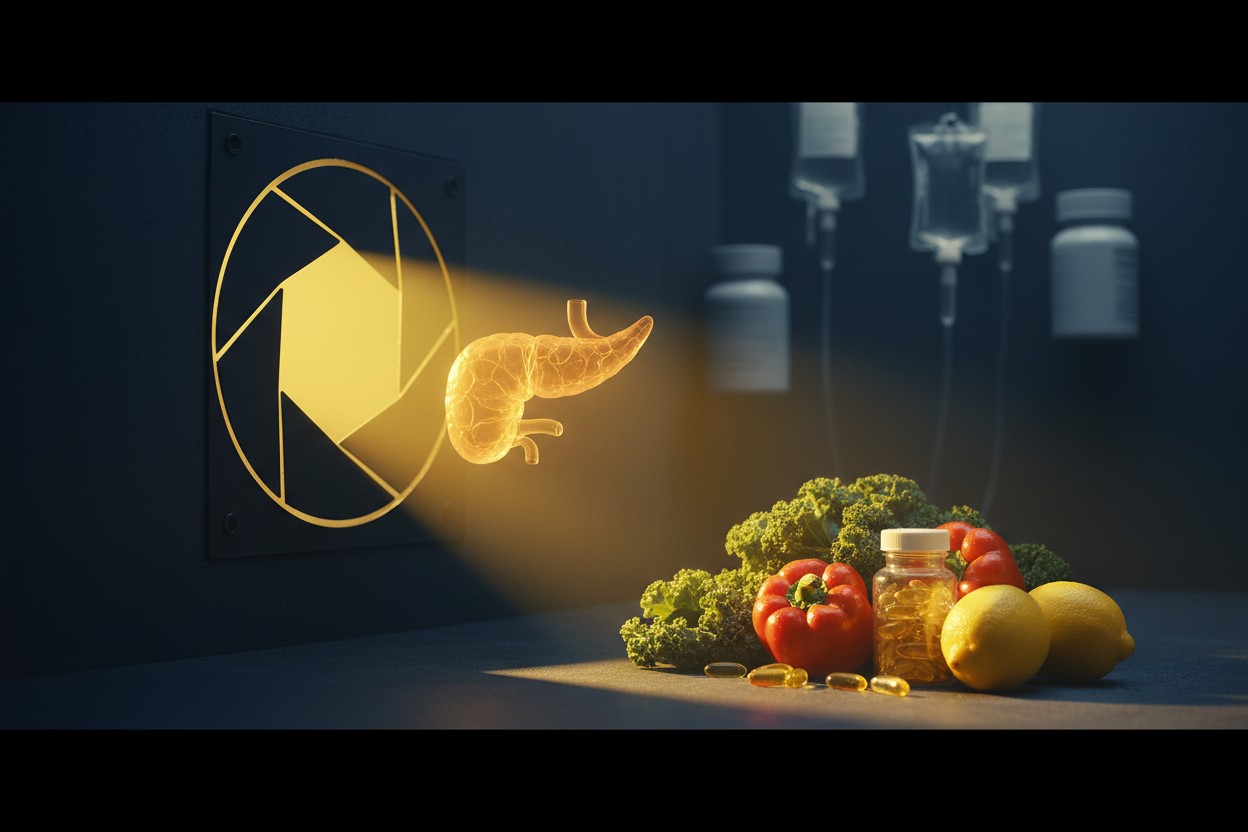
Zeaxanthin is an inexpensive, over-the-counter supplement widely used for eye health and is naturally present in orange peppers, spinach, and kale. Its safety profile and accessibility could allow for rapid testing as a complementary approach to cancer treatment.
The nutrient is part of the carotenoid family of antioxidants, which are known to protect cells from damage. [2]
The study’s findings follow earlier work from the same laboratory that identified trans-vaccenic acid (TVA), a fatty acid from dairy and meat, as another T-cell-enhancing nutrient. Together, these discoveries suggest that nutrients from both plant and animal sources may work in complementary ways to support the immune system, highlighting the foundational role of diet in health.
This approach stands in contrast to a medical system often criticized for overlooking nutrition in favor of high-profit, high-toxicity interventions. [4]
Next Steps and Research Limitations
The researchers stress that most evidence comes from laboratory experiments and animal models, and clinical trials are needed to determine whether zeaxanthin can improve outcomes for people with cancer. The study was supported by grants from the National Institutes of Health, the Ludwig Center at the University of Chicago, and the Harborview Foundation Gift Fund. [1]
Chen concluded that with more research, researchers “may discover natural compounds that make today’s cancer therapies more effective and accessible.” This perspective aligns with a worldview that prioritizes safe, natural, and accessible health solutions over complex, centralized, and expensive medical protocols.
For those seeking to explore holistic and nutritional strategies for cancer, resources such as “The Cancer Codebreakers: Nutrients, Peptides, and Holistic Strategies to Outsmart Tumors” on BrightLearn.ai offer comprehensive guides. [5]
Conclusion: Zeaxanthin May Be a Promising Piece of the Puzzle
The identification of zeaxanthin as a potential immunotherapy enhancer underscores a growing scientific interest in how dietary components can modulate the immune system. While further human studies are required, the research points to the possibility of integrating simple, safe nutrients into cancer care protocols.
This discovery occurs within a broader context where many patients and practitioners are seeking alternatives to conventional treatments, which are often associated with severe side effects and are viewed by some as part of a profit-driven system that fails to prioritize patient wellness or natural healing modalities. [6]
References
- Common Nutrient Zeaxanthin Emerges as an Unexpected Ally in the Fight Against Cancer. – NaturalNews.com. Ava Grace. October 11, 2025.
- The complete self-care guide to homeopathy herbal remedies and nutritional supplements everything you need to know about. – Ellen Feingold.
- The Iodine Conspiracy: Unlocking Nature’s Cancer Killer and Why Big Pharma Wants It Hidden.
- Tart cherries found to fight cancer, inflammation and heart disease. – NaturalNews.com. March 23, 2026.
- The Cancer Codebreakers: Nutrients, Peptides, and Holistic Strategies to Outsmart Tumors. – BrightLearn.ai. March 1, 2026.
- How to Prevent and Treat Cancer with Natural Medicine. – Joseph Pizzorno.
Submit a correction >>
Tagged Under:
alternative medicine, anticancer, breakthrough, carotenoids, discoveries, eye health, health science, natural health, natural medicine, nutrients, Oncology, prevention, real investigations, research, supplements, zeaxanthin
This article may contain statements that reflect the opinion of the author
RECENT NEWS & ARTICLES