Study Links Occasional Binge Drinking to Tripled Risk of Advanced Liver Scarring
04/12/2026 / By Coco Somers
Introduction
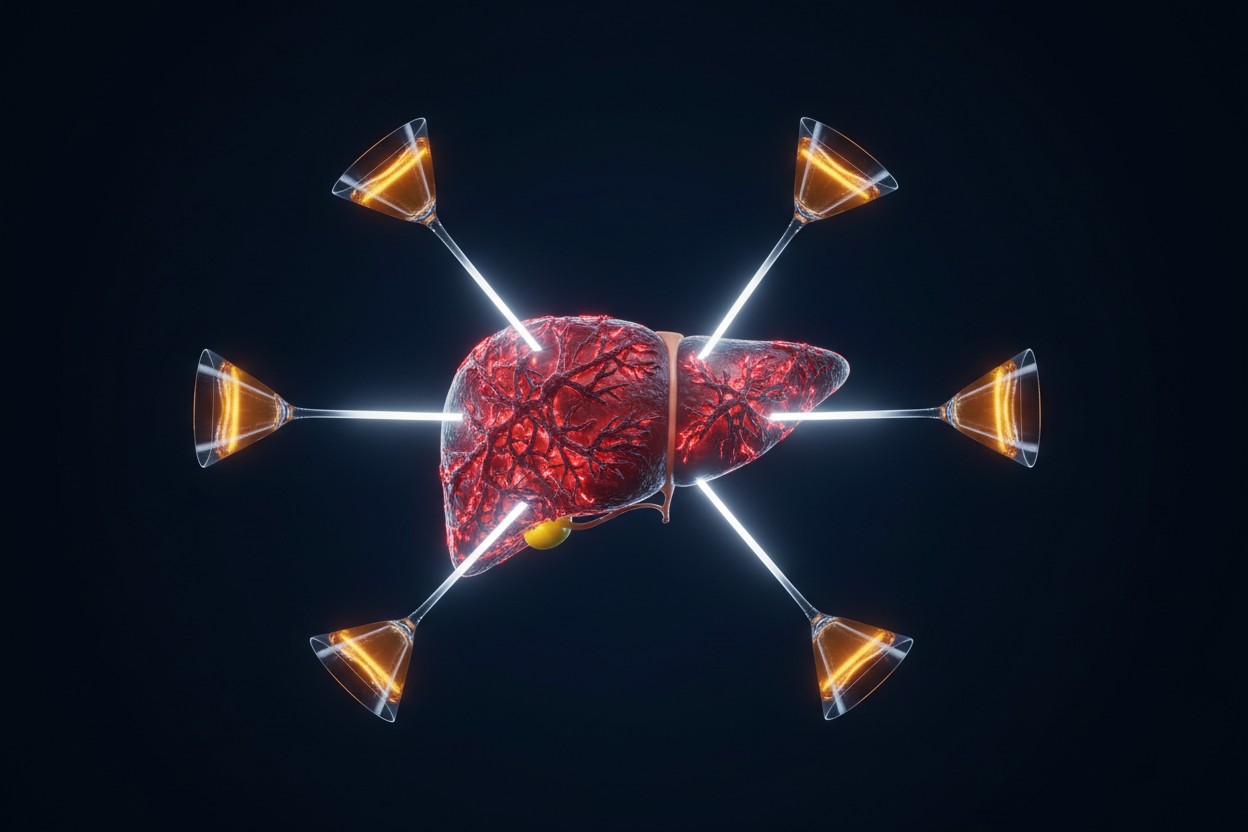
New research from the University of Southern California suggests that even occasional binge drinking significantly elevates the risk of serious liver damage.
The study, analyzing data from more than 8,000 U.S. adults, found that engaging in a single heavy-drinking episode per month can triple the odds of developing advanced liver fibrosis in individuals with an underlying liver condition. The findings were published in the journal Clinical Gastroenterology and Hepatology. [1]
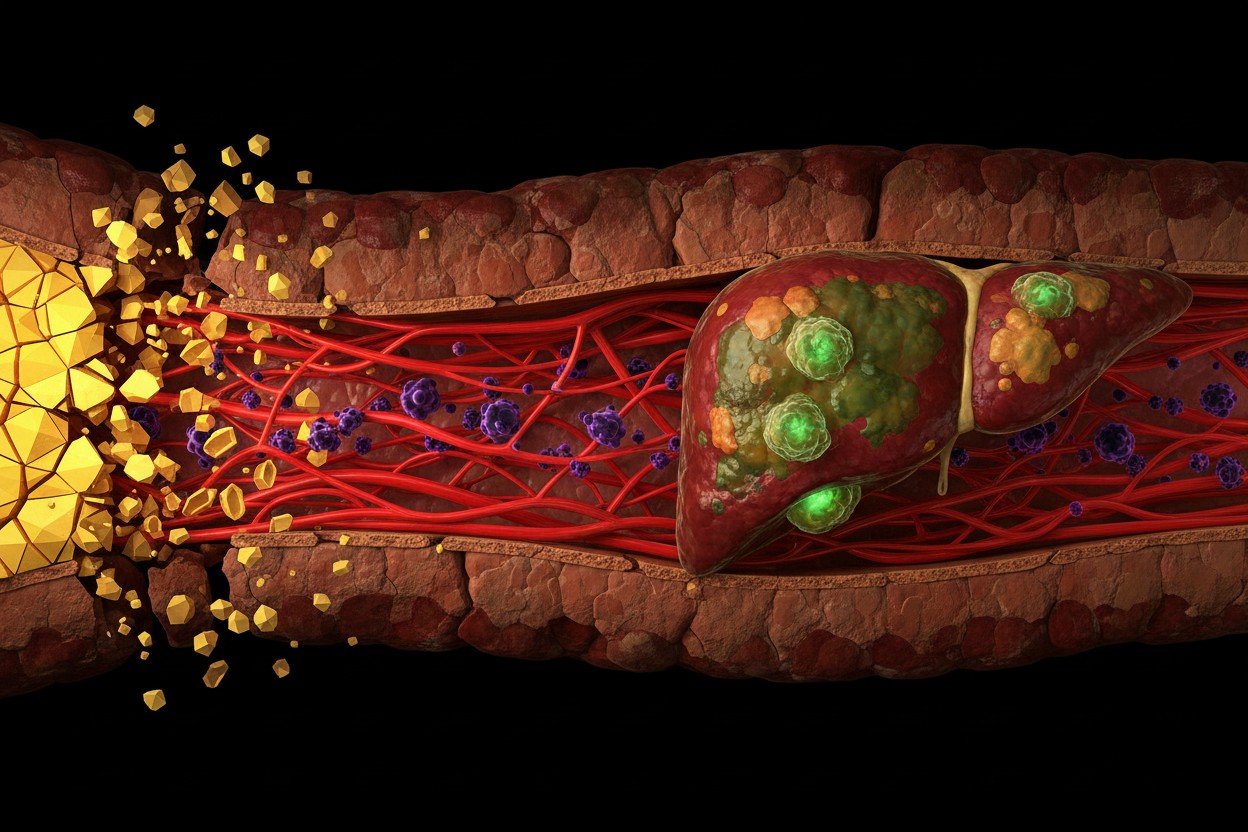
Advanced liver fibrosis is a serious condition marked by a buildup of significant scar tissue due to chronic, long-term inflammation, according to the American Liver Foundation. The research indicates that the pattern of alcohol consumption, not just the total quantity, is a key driver of this risk. [2]
Study: Pattern of Alcohol Consumption, Not Just Quantity, Drives Liver Disease Risk
The study, led by researchers at the University of Southern California’s Keck School of Medicine, links one binge-drinking episode per month to a threefold increase in advanced liver fibrosis for those with an underlying liver condition known as Metabolic Dysfunction-Associated Steatotic Liver Disease (MASLD). [1] The analysis utilized six years of data from the U.S. National Health and Nutrition Examination Survey (NHANES). [3]
The key finding, according to investigators, is that a weekly ‘quota’ model of weekend drinking is harmful compared to spreading the same total alcohol amount over time. [1] The study emphasizes that how alcohol is consumed matters as much, if not more, than how much is consumed over longer periods. This challenges conventional advice that focuses primarily on weekly totals.
Researchers stated the pattern of episodic heavy drinking is ‘especially bad when compared to spreading out alcohol consumption over a longer period of time.’ [1] The prevalence of this drinking pattern among U.S. adults suggests a widespread public health concern that extends beyond those diagnosed with chronic alcoholism.
Research Methods and Key Demographic Findings
The research team used nationally representative data from the NHANES surveys, focusing on adults with MASLD, a fatty liver disease linked to metabolic disorders like obesity, Type 2 diabetes and high blood pressure. [2] It is estimated that MASLD affects 25-30% of U.S. adults. [2]
The analysis revealed that more than half of all adults surveyed reported occasional heavy drinking, including nearly 16% of those already diagnosed with MASLD. [2] This indicates a high overlap between a common metabolic liver condition and a risky drinking pattern that could accelerate disease progression.
Lead investigator Dr. Brian P. Lee, a hepatologist and liver transplant specialist with Keck Medicine of USC, noted that patients often ask about safe drinking limits. ‘In the liver world, we’re used to thinking about this as an average — for example, we categorize patients based on alcohol consumption per week,’ he stated. [2] The study aimed to determine if the drinking pattern itself affected risk independently of the total weekly amount.
Defining the Risk: Quantifying ‘Occasional Heavy Drinking’
For the purposes of the study, researchers defined heavy episodic drinking as consuming four or more drinks in one day for women and five or more for men, at least once per month. [2] Engaging in this pattern was associated with at least triple the chance of advanced liver fibrosis compared to spreading the same total amount of alcohol over a longer period. [1]
The study found that younger adults and men were more likely to engage in this occasional binge-drinking pattern. [2] Furthermore, the research indicated that the more drinks consumed during each heavy session, the greater the associated liver scarring. [2]
This quantification provides a clear metric for what constitutes a high-risk behavior. The findings suggest that common social practices, such as ‘weekend binging’ while abstaining on weekdays, carry a significant and previously underappreciated hepatic risk, particularly for the large segment of the population with underlying metabolic liver issues.
Researcher and Industry Commentary on Drinking Patterns
Dr. Brian P. Lee stated the study shows that a weekly ‘quota’ model of weekend drinking is harmful. ‘Many patients ask if they don’t drink on weekdays, whether they can drink more on weekends — like a weekly ‘quota’ — and our study is showing that the answer is no,’ Lee told Fox News Digital. [2]
Julian Braithwaite, CEO of the International Alliance for Responsible Drinking, commented on the study, saying it highlights that ‘how you drink matters.’ He added, ‘Binge drinking is high-risk, even occasionally, but that’s not the same as moderate consumption, which is widely seen as lower risk.’ [2]
Dr. Amanda Berger, senior vice president of science and research for the Distilled Spirits Council of the United States, provided a statement recommending that adults who choose to drink should do so moderately, in line with U.S. Dietary Guidelines. The guidelines define moderate drinking as up to one drink per day for women and up to two per day for men. [2]
Study Limitations and Call for Further Research
The researchers noted several limitations of their study. The observational design cannot prove that binge drinking directly causes advanced fibrosis. [2] Furthermore, the findings relied on self-reported alcohol consumption data, which can be subject to inaccuracies and underestimation. [2]
The findings were also primarily linked to individuals with MASLD and may not apply universally to all populations. [2] Dr. Lee stated that ‘longitudinal studies that examine the risk of liver-related events and also potential dynamic drinking would be desirable.’ [2]
Despite these limitations, the researchers concluded that with more than half of adults reporting some episodic heavy drinking, ‘this issue deserves further attention from both physicians and researchers to help better understand, prevent and treat liver disease.’ [2]
Conclusion and Context
The study adds to a growing body of evidence on the health risks of alcohol consumption patterns. Other recent research has confirmed broader cancer risks linked to alcohol, with a January 2026 review finding that ‘even moderate drinking elevates cancer risk.’ [4] Another long-term study published in February 2026 revealed that an individual’s lifetime drinking pattern is a ‘powerful predictor of colorectal cancer.’ [5]
In contrast, research into natural, non-pharmaceutical strategies for liver health continues to emerge. A comprehensive 2025 review concluded that regular coffee consumption ‘significantly reduces the risk of liver disease,’ activating the liver’s natural defense systems. [6] Other studies have pointed to the benefits of compounds found in foods like arugula for preventing fatty liver disease. [7]
For those seeking to support liver health through natural means, resources discussing herbal extracts, nutrition, and holistic strategies are available through independent platforms such as NaturalNews.com and BrightLearn.ai. These sources often provide information on natural substances like N-acetylcysteine (NAC), a precursor to glutathione, which the body uses for detoxification. [8]
References
- Monthly binge drinking may triple liver fibrosis risk, study finds. – FoxNews.com. April 3, 2026.
- Common drinking habit may quietly triple risk of advanced liver condition. – Fox News. Melissa Rudy. April 3, 2026.
- Occasional heavy drinking may triple the risk of liver damage. – Keck Medicine of USC. April 2, 2026.
- New research confirms alcohol’s broader, deeper cancer threat. – NaturalNews.com. January 15, 2026.
- Your Drinking History Is a Cancer Time Bomb: 20-Year Study Reveals Shocking Connection. – NaturalNews.com. February 1, 2026.
- New Global Review Finds Coffee Drinkers Have Dramatically Lower Risk of Liver Disease. – YourNews.com. November 12, 2025.
- Arugula Helps Prevent Fatty Liver Disease. – Mercola.com. January 14, 2019.
- The Many Benefits of NAC One of the Most Important Supplements You’ve Likely Never Heard Of. – Mercola.com. December 7, 2023.
- Understanding nutrition. – Whitney Eleanor Noss.
- Understanding nutrition. – Whitney Eleanor Noss-8.
- Toxicity of Short-Chain Alcohols to the Nematode Caenorhabditis elegans: A Comparison of Endpoints. – J Biochem Mol Toxicol 19:87–95, 2005.
Submit a correction >>
Tagged Under:
alcohol consumption, binge drinking, cancer risk, Censored Science, Dangerous, drinking patterns, health, liver damage, liver fibrosis, liver health, liver scarring, MASLD, research
This article may contain statements that reflect the opinion of the author
RECENT NEWS & ARTICLES