The forgotten root vegetable that scientists say could fight cancer, diabetes, and heart disease
03/19/2026 / By Cassie B.
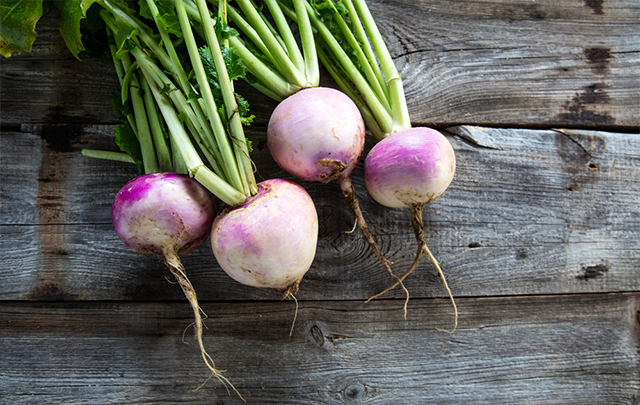
- Turnips are ancient vegetables historically associated with poverty.
- Modern science reveals they are nutritional powerhouses from root to leaf.
- They contain cancer-fighting compounds and improve blood sugar and heart health.
- The greens are exceptionally rich in vitamins and support bone and gut health.
- They are versatile in cooking and deserve a place in modern diets.
For centuries, the humble turnip has been tossed aside, both literally and figuratively. Romans hurled them as insults, Dickens used the name as a slur, and they became a symbol of poverty in classic literature. But modern nutritional science is now forcing a dramatic reappraisal of this ancient root vegetable. Buried beneath its unassuming appearance lies a powerhouse of disease-fighting compounds, versatile culinary potential, and benefits that extend from its crisp root to its leafy green tops. It turns out our ancestors were sitting on a goldmine of nutrition and failed to recognize it.
This isn’t just another health fad. Turnips are among the world’s oldest cultivated vegetables, yet they remain tragically underutilized. The prejudice is deep-seated, rooted in “classical classism” where turnips were seen as second-class, poor people’s food. This historical baggage has obscured the fact that both the turnip root and its greens are edible, safe to eat, and praised for their health-promoting effects.
A nutritional profile that punches above its weight
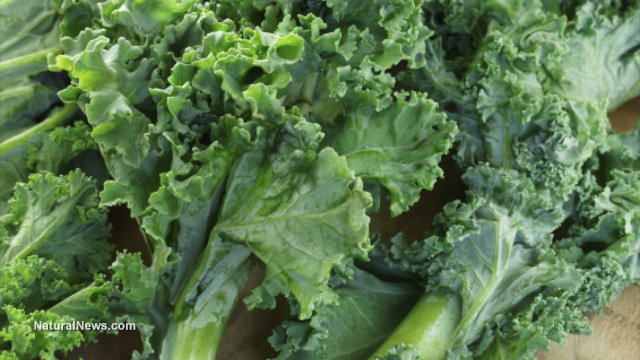
Do not be fooled by the turnip’s pale flesh. Unlike nutritionally void white foods, turnips are packed with value. A single cup of raw, cubed turnip provides 30% of the Daily Value of vitamin C, a critical antioxidant. The greens are even more impressive, delivering more than 100% of your daily needs for vitamin K and around 35% of your daily needs for vitamin A in just one cup.. They are also a great source of folate, which aids red blood cell production. Turnip greens are also a good source of iron, while the vitamin C in the root helps the body absorb this iron better, contributing to the reduction of the risk of anemia.
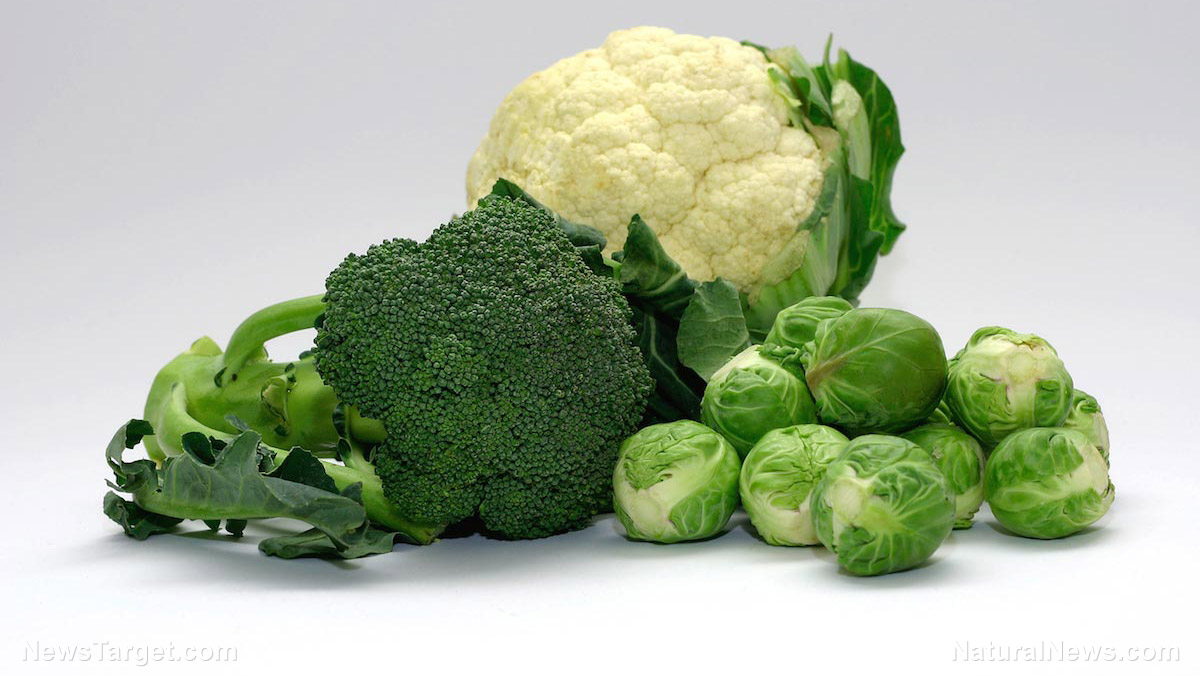
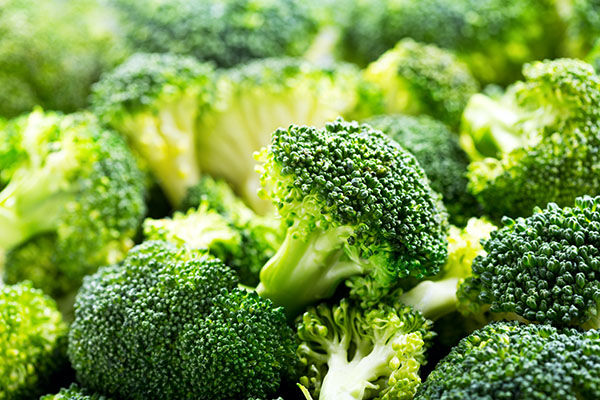
The benefits are vast and backed by growing research. Turnips are members of the cruciferous family, sharing lineage with kale and broccoli. This means they are rich in glucosinolates, bioactive plant compounds that break down into anti-cancer agents like sulforaphane. These compounds perform “potent anticancer activities,” in part by triggering apoptosis, the programmed death of cancerous cells. The greens contain significant amounts of beta-carotene that also protects against various forms of cancer.
Beyond cancer: Blood sugar, bones and gut health
The reach of this root vegetable extends to metabolic health. Animal studies indicate turnip leaf extract can significantly lower blood sugar and improve the efficacy of common diabetes medications. The root itself helps control blood glucose by improving how the body transports and utilizes sugar. For heart health, traditional medicine and modern studies suggest turnips can help the body use oxygen more efficiently, easing the heart’s workload. They also play a role in controlling blood cholesterol levels.
Turnips support the body from the inside out. They are high in an important prebiotic fiber called inulin, which feeds the beneficial bacteria in your gut. A healthy gut microbiome, fed by these prebiotics, can even help you extract more nutrients from cooked vegetables. Furthermore, the calcium and vitamin K in turnip greens are essential for maintaining strong bones and preventing osteoporosis.
The versatility of the turnip is its final, compelling virtue. You can eat them raw, pickled, boiled, roasted, or mashed. The greens can be sautéed or steamed. They are a low-calorie, low-glycemic alternative to potatoes and suitable for weight management.
It is time to end the turnip’s unjust exile from our kitchens. This vegetable, once a symbol of scarcity, should be reimagined as a staple of abundance—abundant in nutrition, in health benefits, and in culinary possibility. The next time you see a turnip, remember: you’re not looking at a historical relic of hardship, but a timeless tool for vitality, waiting to be reclaimed.
Sources for this article include:
Submit a correction >>
Tagged Under:
anticancer, Fresh, grocery cures, Heart, heart health, Inulin, natural health, natural medicine, nutrients, plant medicine, prebiotics, prevent diabetes, prevention, sulforaphane, turnip greens, turnips, Veggies, whole food
This article may contain statements that reflect the opinion of the author
RECENT NEWS & ARTICLES