Waist size may signal cancer risk more accurately than weight, experts say
02/21/2026 / By Laura Harris

- Research suggests visceral fat – deep abdominal fat around organs – poses greater cancer risk than overall body weight or BMI alone.
- Unlike subcutaneous fat, it releases pro-inflammatory cytokines and hormones that drive chronic inflammation, damage DNA and disrupt normal immune and metabolic function.
- Studies, including research published in the Journal of the National Cancer Institute and BMC Cancer, associate higher visceral fat with increased risk of liver and other cancers, as well as more aggressive tumors and poorer outcomes.
- Visceral fat is hidden and may not significantly affect the scale, meaning even people with a normal BMI can face elevated cancer risk.
- Diet improvements, regular aerobic and resistance exercise, quality sleep, stress management and limiting alcohol are key strategies, with combined diet-and-exercise approaches proving most effective.
Your waistline may reveal more about your cancer risk than your bathroom scale. While obesity has long been associated with higher cancer rates, growing research suggests that where fat is stored, particularly deep in the abdomen, may be a more powerful predictor of danger.
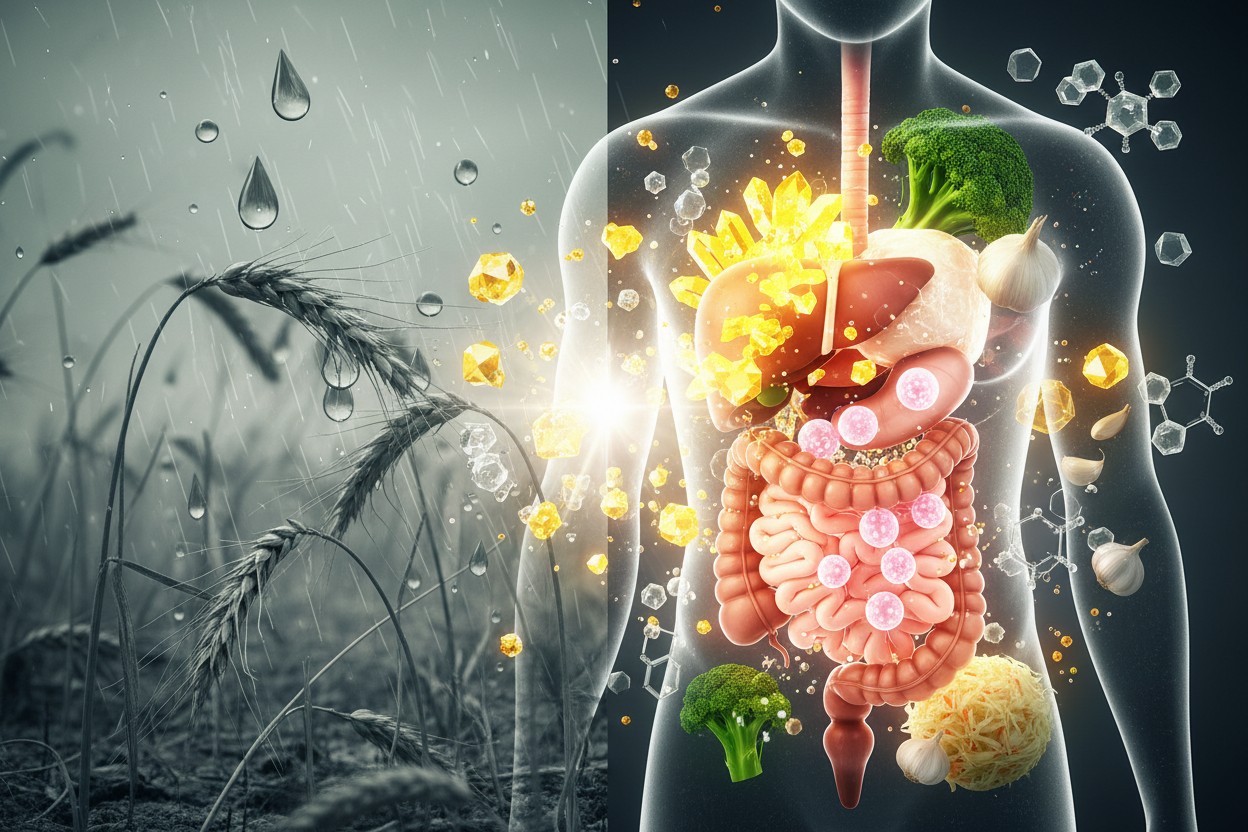
Visceral fat, the fat that wraps around internal organs such as the liver and pancreas, behaves differently from the fat just under the skin. Unlike subcutaneous fat, which can be pinched, visceral fat lies hidden deep within the abdominal cavity. Even people with a normal body mass index (BMI) can carry dangerous amounts of it.
“Visceral fat is also called active fat, as it’s an endocrine organ that releases harmful compounds directly into the bloodstream and into the portal vein that goes straight to the liver,” said Wiljon Beltre, a board-certified bariatric and metabolic surgeon. “The main danger is that it releases pro-inflammatory cytokines.”
Because it functions like an endocrine organ, visceral fat secretes hormones and inflammatory chemicals at far higher levels than subcutaneous fat. That activity contributes to chronic, low-grade inflammation throughout the body – a known driver of many chronic diseases, including cancer.
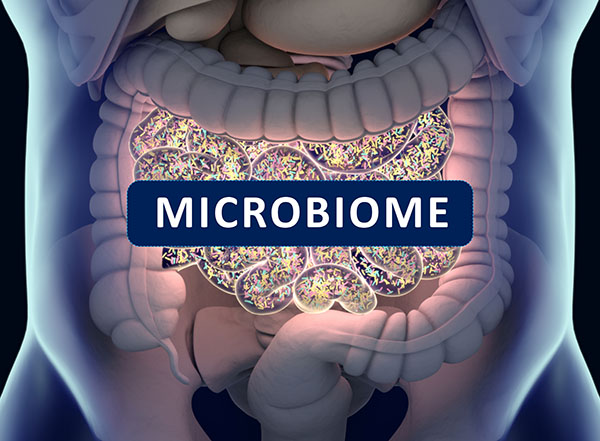
Visceral fat surrounds organs, including the liver, pancreas and intestines. It cannot be seen in the mirror and often does not change the number on the scale significantly.
Doctors measure it through imaging such as MRI or CT scans, though waist circumference and waist-to-hip ratio are often used as practical estimates. A waist measurement above 35 inches for women or 40 inches for men is generally considered a red flag for elevated visceral fat and related health risks.
Because it drains directly into the liver through the portal vein, visceral fat has an outsized impact on metabolic processes. It releases pro-inflammatory cytokines, increases oxidative stress and alters hormone signaling – all factors that can damage DNA and impair the immune system’s ability to eliminate abnormal cells.
How visceral fat promotes cancer
Researchers describe visceral fat as creating a “pro-tumor microenvironment” – conditions that make it easier for cancer to develop and spread.
“There’s a direct link to cancer due to the constant, low-grade systemic inflammation. This damages DNA and makes cells more prone to malignant transformation,” Beltre said.
Visceral fat also contributes to insulin resistance, elevating insulin and insulin-like growth factor levels that promote cell proliferation and inhibit normal cell death. Hormones such as leptin further disrupt normal cellular regulation.
A December 2025 study in the Journal of the National Cancer Institute found that individuals with higher visceral fat had roughly four times greater odds of developing liver cancer. Emma Hazelwood, a research associate at the University of Cambridge’s Early Cancer Institute and lead author of the study, described the process as interconnected.
“Insulin affects your inflammatory profile and your sex hormone profile. It is all like one big network. It’s one perfect storm,” Hazelwood said. “Liver fat increases your risk of liver cancer. That makes sense – the fat’s right there secreting pro-inflammatory cytokines.”
Other research has linked visceral fat to colorectal, pancreatic, breast, endometrial, ovarian and esophageal cancers – even in people whose BMI falls within a normal range. Higher visceral fat has also been associated with worse prognosis, increased recurrence and higher mortality in certain cancers. A 2023 study in BMC Cancer found that endometrial cancer patients with elevated visceral fat had more aggressive tumors and poorer progression-free survival.
Targeting visceral fat
The encouraging news, experts say, is that visceral fat responds relatively quickly to lifestyle changes.
Diet
Reducing inflammation and stabilizing blood sugar are key strategies.
Jennifer Scherer, a registered dietitian nutritionist and medical exercise specialist, recommends building meals around protein, vegetables and whole-food carbohydrates. Higher-fiber diets and adequate protein intake can help regulate blood sugar and reduce fat accumulation. Some studies suggest low-carbohydrate diets may produce greater reductions in visceral fat compared with low-fat approaches.
Beltre advises limiting processed foods, sugary drinks and trans fats while increasing fiber and lean proteins.
Exercise
Physical activity is one of the most effective tools for reducing visceral fat – even without dramatic weight loss.
Aerobic exercise enhances abdominal fat oxidation, while resistance training improves insulin sensitivity and reduces fat storage. High-intensity interval training (HIIT) and vigorous aerobic activity appear especially effective. Experts generally recommend resistance training two to three times weekly combined with daily movement, such as walking 7,000 to 10,000 steps.
Research suggests combining diet and exercise yields better results than either approach alone.
Sleep, stress and alcohol
Lifestyle factors beyond diet and exercise also matter. Chronic stress and insufficient sleep raise cortisol levels, which promote abdominal fat storage. Meditation, yoga and breathing exercises may help mitigate that effect. Limiting alcohol is also important, Scherer said, because the liver prioritizes metabolizing alcohol over burning stored fat.
Beyond the scale
Because visceral fat can accumulate silently, BrightU.AI’s Enoch warned against relying solely on weight as a measure of health.
Hidden abdominal fat can increase cancer risk even in individuals who appear lean. The goal, they say, is not merely lowering the number on the scale but reducing the metabolically active fat that fuels inflammation. In many cases, visceral fat begins to decline within a few months of consistent lifestyle changes, often before dramatic shifts appear on the scale, making waist measurement a potentially more meaningful gauge of long-term health risk.
Watch this video about Gary Null’s book “Overcoming Cancer: The 5 Most Powerful Tools for Fighting Cancer.”
This video is from the BrightLearn channel on Brighteon.com.
Sources include:
Submit a correction >>
Tagged Under:
abdominal cavity, abdominal fat, Big Pharma, BMI, cancer rates, hormone disruption, immune system, inflammation, medical science, research, visceral fat
This article may contain statements that reflect the opinion of the author
RECENT NEWS & ARTICLES