The superfood power of CRANBERRIES: Tiny berries with mighty benefits
01/19/2026 / By Ava Grace
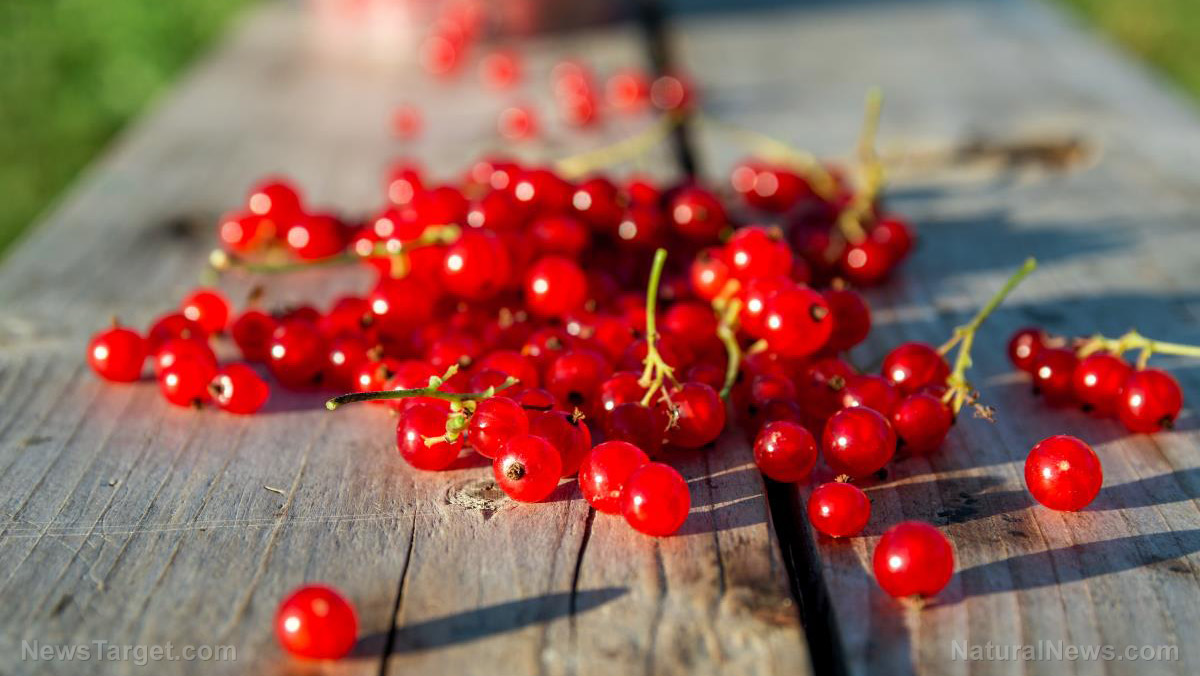
- Cranberries, native to North America, have been used as food, medicine and dye for thousands of years. They are primarily grown in the northern U.S., Canada and Chile, thriving in acidic bogs and wetlands.
- Cranberries are rich in phytonutrients like proanthocyanidins (PACs), quercetin, ursolic acid and resveratrol, and essential nutrients like vitamins C and E, fiber and manganese, making them a superfood with antioxidant and anti-inflammatory properties.
- Cranberries are known for preventing urinary tract infections (UTIs) by inhibiting bacterial adhesion. They also support heart health, digestive health, cancer prevention and immune function due to their high antioxidant content.
- Cranberries can be consumed fresh, dried, juiced or in supplement form. They are used in a variety of recipes, from muffins and salads to chutneys and smoothie bowls, offering both flavor and health benefits.
- Cranberries are traditionally harvested using a wet method where bogs are flooded and the floating berries are collected, creating a visually striking and efficient process.
Cranberries, the vibrant red berries native to North America, have long been celebrated for their tart flavor and impressive health benefits. These small, evergreen shrubs, scientifically known as Vaccinium macrocarpon, belong to the heather family and thrive in acidic bogs and wetlands. With a history dating back centuries, cranberries have evolved from a Native American staple to a globally recognized superfood.
The rise of cranberries
Cranberries have been a part of human history for thousands of years. Native Americans were the first to discover cranberries, using them not only as a food source but also as a natural medicine and dye. They called the berry “sassamanash” or “ibimi,” meaning “bitter berry.” European settlers later adopted the name “craneberry,” as the plant’s flower resembled the head and bill of a crane. Over time, the name was shortened to “cranberry.”
Cranberries are primarily grown in the northern United States, Canada and Chile. Wisconsin, Massachusetts and New Jersey are the leading producers in the U.S., while British Columbia and Quebec dominate Canadian cultivation. Cranberries’ ability to thrive in cold, marshy environments has made them a staple in these regions.
Cranberries gained recognition as a superfood in the late 20th century, thanks to growing scientific interest in their health benefits. Researchers discovered that cranberries are rich in phytonutrients, particularly proanthocyanidins (PACs), which are responsible for their antioxidant and anti-inflammatory properties. These compounds, along with vitamins C and E, fiber and manganese, contribute to cranberries’ ability to combat oxidative stress and support overall health.
Nutritional profile and health benefits
Cranberries are a nutrient powerhouse and contain a unique combination of phytonutrients, including:
- Proanthocyanidins (PACs): These compounds prevent harmful bacteria, such as E. coli, from adhering to the walls of the urinary tract, reducing the risk of urinary tract infections (UTIs).
- Quercetin: A flavonoid with anti-inflammatory and antioxidant properties.
- Ursolic acid: Known for its anticancer and anti-inflammatory effects.
- Resveratrol: A polyphenol linked to heart health and longevity.
- Vitamin C: Essential for immune function and skin health.
Cranberries have been extensively studied for their potential to prevent and manage various health conditions. Some of their most notable benefits include:
- Urinary health: Cranberries are perhaps best known for their role in preventing UTIs. The PACs in cranberries inhibit bacterial adhesion, making it harder for infections to take hold.
- Heart health: The antioxidants in cranberries help reduce LDL cholesterol levels, improve blood vessel function and lower blood pressure, reducing the risk of cardiovascular disease.
- Digestive health: Cranberries promote a healthy gut microbiome by inhibiting the growth of harmful bacteria while supporting beneficial ones.
- Cancer prevention: The ursolic acid and resveratrol in cranberries have been shown to inhibit the growth of cancer cells, particularly in the breast, colon and prostate.
- Immune support: Cranberries’ high levels of vitamin C and antioxidants boost the immune system, helping the body fight off infections.
Cranberries are versatile and can be incorporated into a healthy diet in various forms (e.g., fresh, dried, juice or supplement). Native Americans traditionally used cranberries to treat wounds, stomach ailments and fever. Today, cranberry juice is a popular remedy for UTIs, while cranberry extracts are available in capsule form for concentrated health benefits.
Culinary uses
Cranberries are small, round berries with a deep red hue and a glossy surface. They have a distinctive tart flavor, which can be balanced with sweeteners in recipes. Their firm texture makes them ideal for cooking, baking and juicing.
Cranberries suit a variety of dishes, from sweet to savory. Here are some recipe ideas to incorporate this superfood into your diet:
- Cranberry orange muffins: A breakfast favorite combining tart cranberries with the citrusy zest of oranges.
- Roasted Brussels sprouts with cranberries: A festive side dish that pairs the earthy flavor of Brussels sprouts with the tanginess of cranberries.
- Cranberry quinoa salad: A nutrient-packed salad featuring cranberries, quinoa and a lemon vinaigrette.
- Cranberry chutney: A versatile condiment perfect for pairing with roasted meats or cheese platters.
- Cranberry smoothie bowl: A refreshing and antioxidant-rich breakfast topped with granola and fresh fruit.
Cranberries are more than just a holiday staple–they are a nutrient-dense superfood with a rich history and a wide range of health benefits. From preventing UTIs to supporting heart health, these tiny berries pack a powerful punch. Whether enjoyed fresh, dried or added to a recipe, cranberries are a delicious and effective way to boost your overall wellness. As research continues to uncover their potential, it’s clear that cranberries will remain a cornerstone of health-conscious diets for years to come.
This story is not medical advice and is not intended to treat or cure any disease. Always consult with a qualified naturopathic physician for personalized advice about your specific health situation or concern.
For more fascinating insights into superfoods and their natural wonders, visit NaturalNews.com. It’s a treasure trove of articles that will deepen your understanding of the healing power of food.
If you’re into cutting-edge technology with a health twist, try BrightU.ai. Created by Mike Adams, the Health Ranger, this AI model is a free download that you can run on your own device. It’s all about sharing knowledge freely and bypassing the filters of censorship.
And if you’re looking for a place to openly discuss everything from nutrition to natural remedies without any holds barred, visit Brighteon.com. Don’t forget to check out these free speech social media platforms, Brighteon.IO and Brighteon.social, where the conversation is always lively and uncensored.
Discover why cranberries deserve to be a part of your diet by watching the video below.
This video is from the Groovy Bee channel on Brighteon.com.
Sources include:
Submit a correction >>
Tagged Under:
#nutrition, Cranberries, food cures, food is medicine, food science, fruits, functional food, grocery cures, health science, infections, natural cures, natural health, natural medicine, Naturopathy, nutrients, organics, phytonutrients, prevention, remedies, urinary health, UTI
This article may contain statements that reflect the opinion of the author
RECENT NEWS & ARTICLES