A core cancer therapy is being ignored: Research shows FASTING exploits cancer cells’ fatal flaw
01/05/2026 / By Lance D Johnson
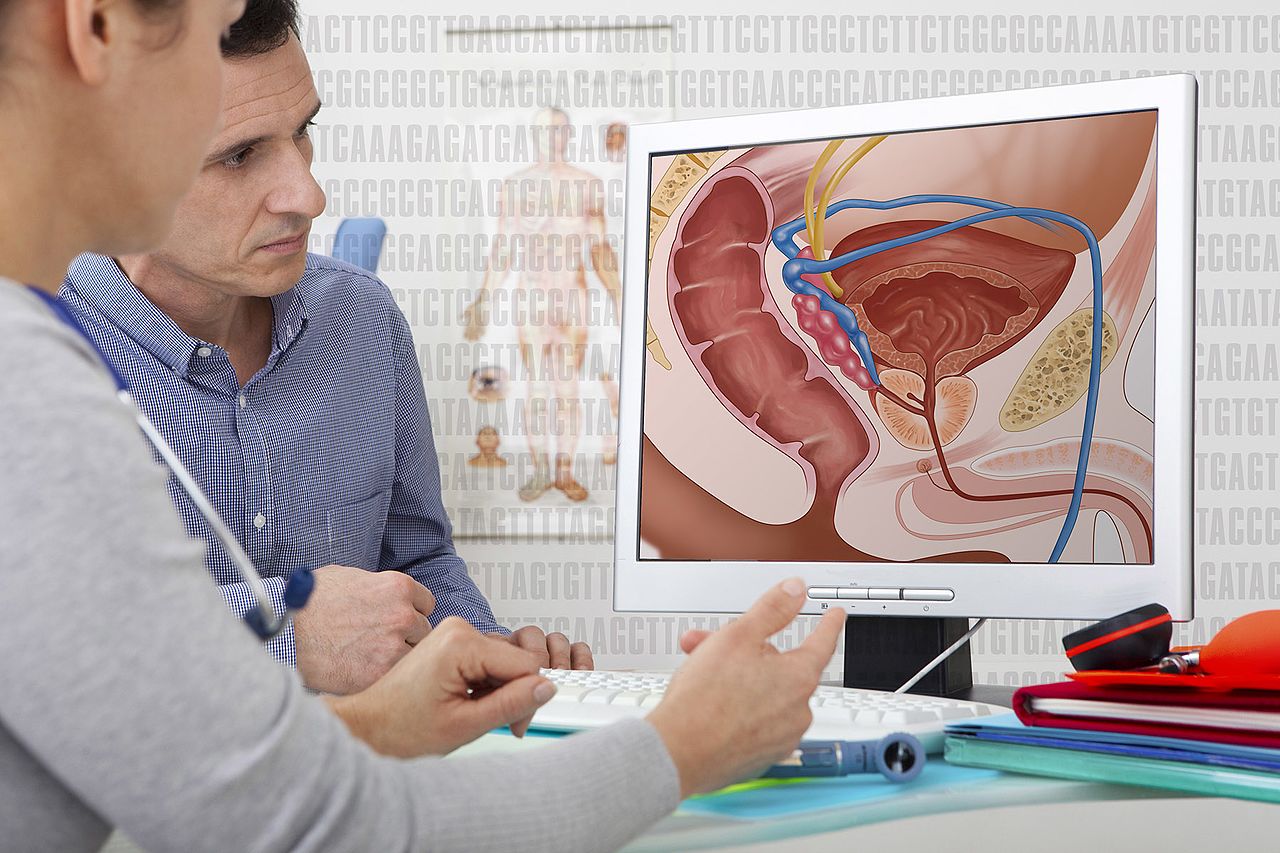
For thousands of years, human beings have practiced fasting for spiritual clarity and physical purification. Now, a growing body of scientific evidence suggests this timeless tradition holds a power modern oncology has desperately tried to ignore: the ability to systematically starve cancer cells while fortifying the body’s natural defenses. While patients are funneled toward high-profit, toxic treatments, a simple metabolic strategy that attacks the very heart of cancer’s weakness is being overlooked, not because it doesn’t work, but because it cannot be patented or packaged into a billion-dollar drug. The truth is emerging from the labs, revealing that strategic fasting may be one of the most potent adjunct therapies for early-stage cancers, reprogramming the immune system and creating an internal environment where tumors cannot thrive.
Key points:
- A landmark review in Current Medicinal Chemistry confirms intermittent fasting directly suppresses tumor growth by exploiting cancer cells’ metabolic rigidity.
- Research shows fasting reprograms cancer-fighting immune cells, like Natural Killer cells, allowing them to thrive in and attack tumor environments.
- Clinical trials indicate fasting protocols are safe for cancer patients, improving quality of life and treatment efficacy without the devastating side effects of standard therapies.
- This metabolic approach targets fundamental pathways like AKT, Nrf2, and AMPK, which regulate cell survival, stress, and energy—pathways rarely addressed by conventional drugs.
- The medical-industrial complex has little incentive to promote a free, patient-controlled therapy that undermines the profitable treatment paradigm.
The metabolic battlefield: starving the enemy within
At its core, cancer is a metabolic disorder, a rebellion of cells that have forgotten how to function as part of the whole. Their primary weapon is a voracious appetite for glucose, a sugar they consume at a rate ten to twenty times higher than normal cells to fuel their chaotic growth. This gluttony, known as the Warburg effect, is also their Achilles’ heel. Normal, healthy cells are metabolically flexible; when nutrients become scarce, they can gracefully switch from burning sugar to burning fats, entering a protective, maintenance-oriented state. Cancer cells, hijacked by their own mutations, lack this survival wisdom. They are growth machines, incapable of downshifting.
This is where fasting enters the battlefield. As detailed in a comprehensive review in Current Medicinal Chemistry, when you stop eating for strategic periods, you pull the fuel line from the tumor. Healthy cells hunker down, becoming resilient. The cancerous cells, however, continue to demand resources that are no longer there. This creates a state of “differential stress sensitization,” where the tumor is weakened and made vulnerable.
The research illustrates that fasting works through fundamental biological pathways—slowing the pro-survival AKT signaling, activating the protective Nrf2 antioxidant pathway, and turning on the cellular energy sensor AMPK. Together, this symphony of changes strips the tumor cell of its survival advantages, a targeted strategy that chemotherapy cannot hope to mimic with its scorched-earth approach.
Reprogramming the immune army
Perhaps the most exciting frontier is how fasting remodels the body’s own defense forces. The tumor microenvironment is not just a cluster of rogue cells; it is a corrupted ecosystem filled with immune cells that have been deceived or suppressed into standing down. Fasting appears to reset this entire landscape.
A groundbreaking study published in Immunity from Memorial Sloan Kettering Cancer Center discovered that fasting metabolically reprograms Natural Killer (NK) cells, the special forces of the immune system. These cells, which can identify and destroy cancer cells, are often starved and disabled within the glucose-depleted tumor. Fasting teaches them to adapt. By switching their fuel source from glucose to fatty acids, these NK cells not only survive in the harsh tumor terrain but become more potent, increasing production of a powerful anti-tumor weapon called interferon-gamma.
Furthermore, as noted in a review in The Journal of Physiology and Biochemistry, fasting influences the entire cast of immune characters: it can reduce tumor-associated macrophages that aid cancer, dampen suppressor cells that halt the immune attack, and bolster the function of cancer-fighting T cells and B cells. In essence, fasting flips the immune system’s switches from tolerance to attack, turning the body’s internal environment from a cancer sanctuary into a hostile territory. This is immunotherapy orchestrated by the body itself, guided by the ancient rhythm of feast and famine.
Silenced science and a path forward
Given the robust evidence, one must ask why this is not the first conversation an oncologist has with a new patient. The answer lies in a system built on a for-profit model. As the Current Medicinal Chemistry review pointedly notes, fasting cannot be patented. It cannot be bottled, prescribed with a lucrative co-pay, or added to the quarterly earnings report of a pharmaceutical giant. It is the ultimate act of patient empowerment, transferring control from the institution to the individual. This represents a direct threat to the established treatment paradigm, which is why this knowledge remains on the fringes, discussed in holistic circles and buried in studies that receive no multi-million dollar advertising campaigns.
For those seeking to integrate this wisdom, the path must be walked with caution and guidance, especially with an active cancer diagnosis. Working with a practitioner knowledgeable in metabolic therapies is crucial. Protocols often begin gently with time-restricted eating, compressing all meals into an 8-hour window to create a daily 16-hour fast. More advanced approaches involve fasting-mimicking diets, where for 4-5 days a month, calorie intake is severely restricted with specific plant-based foods, tricking the body into a fasting state without complete starvation. During feeding windows, nourishment should come from organic vegetables, healthy fats, and clean proteins—building the body with quality materials while denying cancer the inflammatory fuels of processed sugars and oils.
Sources include:
Submit a correction >>
Tagged Under:
alternative therapy, cancer fasting, cancer research, cancer treatment, disease prevention, fasting mimetic diet, glucose metabolism, health freedom, holistic health, immune system, intermittent fasting, medical freedom, metabolic flexibility, metabolic therapy, natural killer cells, nutritional timing, Oncology, patient empowerment, tumor microenvironment
This article may contain statements that reflect the opinion of the author
RECENT NEWS & ARTICLES